WHAT X-MEN ’97 TAUGHT ME ABOUT COMING HOME
By Leroy Adams
I landed from Ghana at dawn. By evening, I was watching the latest episode of X-Men ’97— not searching for meaning, simply decompressing. Meaning found me instead.
Magneto a Monster?
Lorna spends the episode trying not to become her father.
The world has cast Magneto as a monster: a radical, a mutant zealot bent on humanity’s ruin. But that flattens him. What Magneto has always done is return to the world precisely what the world gave him—violence answered with violence, grief metabolized into war. It is, I noted, the same reduction so often made of Black people: the world decides what we are capable of, then treats the caricature as truth.
So Lorna restrains herself. Power held in check, out of fear of confirming what everyone already assumes.
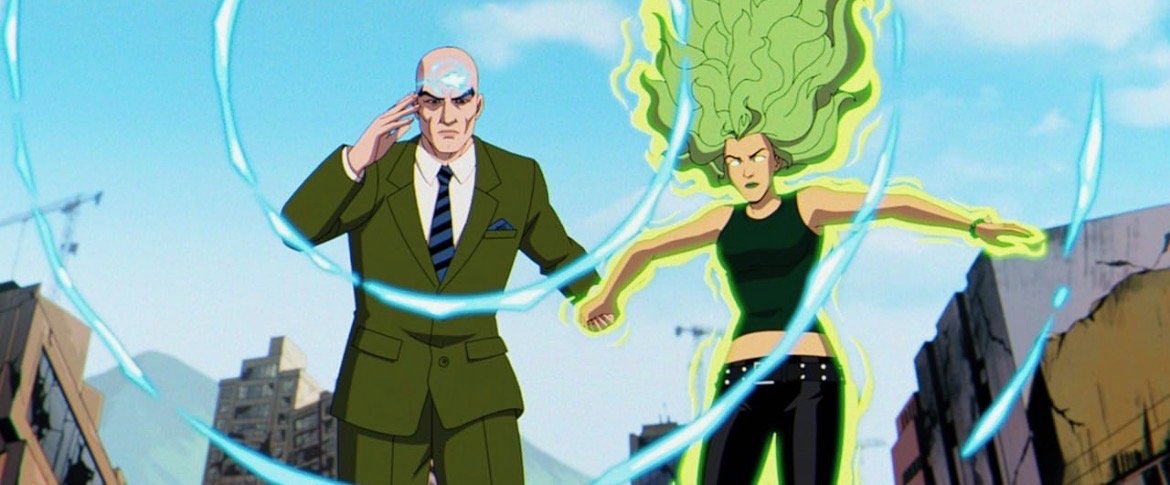
Then the X-Men are overwhelmed, out of options, and Charles turns to her. We have all the power we need in Lorna. She hesitates—if she lets go, she might hurt everyone. Charles takes her hand. “You are your father’s daughter,” he tells her. “I have seen him do incredible things. Let me show you who he was.”
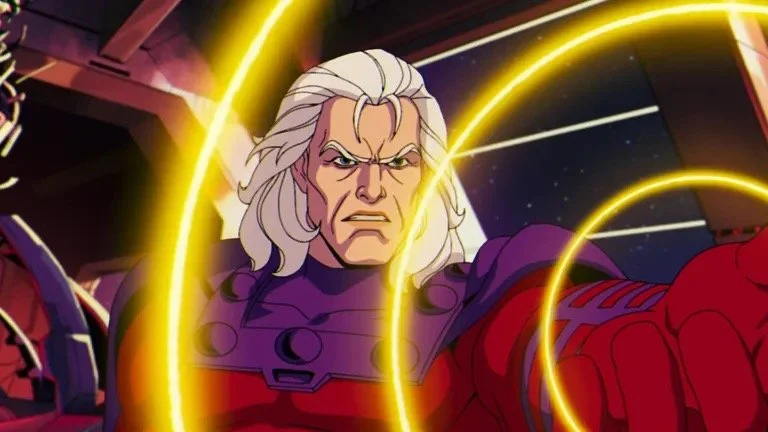
What follows is a procession of memory. Magneto on Genosha, shielding a terrified young mutant from incoming sentinels, promising safety he cannot guarantee. Magneto again, grief turned into vengeance for mutants slain simply for existing—not hatred of humanity, but devotion to his own. Vision after vision, each one a father protecting what he loved, fighting for what had already been taken and could not be returned.
And Lorna releases everything she has been holding back.
She destroys the threat. But just before she does, Charles offers her the line that matters most: You do not need to be controlled. You only need to embrace all of who you are.
She weeps. I understood precisely why.
Ghana
Days earlier, I had sat in the last bath—the same waters where my ancestors washed themselves for the final time before being marched toward the dungeons of Elmina Castle. I was in Ghana to document The Tubman Project - a nine month global leadership fellowship for Black educators that culminates with a cultural immersion service trip to Ghana.
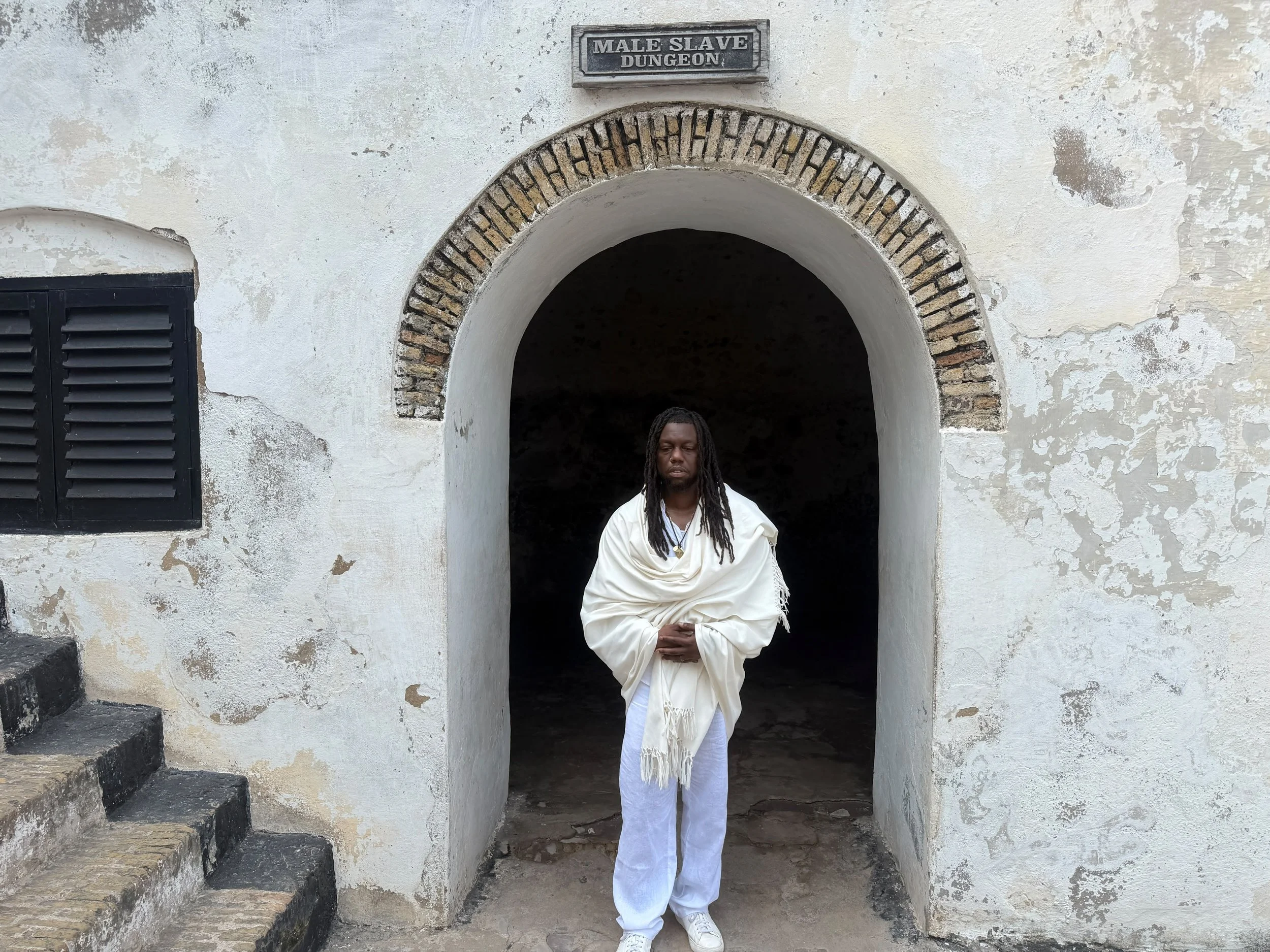
I stood inside those dungeons afterward. What I heard there was not only sorrow, though sorrow was present. I heard something fiercer beneath it: resolve. A refusal that has outlived centuries. We will not go without struggle. We would rather die than surrender the whole of ourselves.
Then came the naming ceremony.
Kofi Owusu.
Kofi: born on a Friday.
Owusu: the strong and determined one, carrying the wisdom of the elders and the vision of kings.
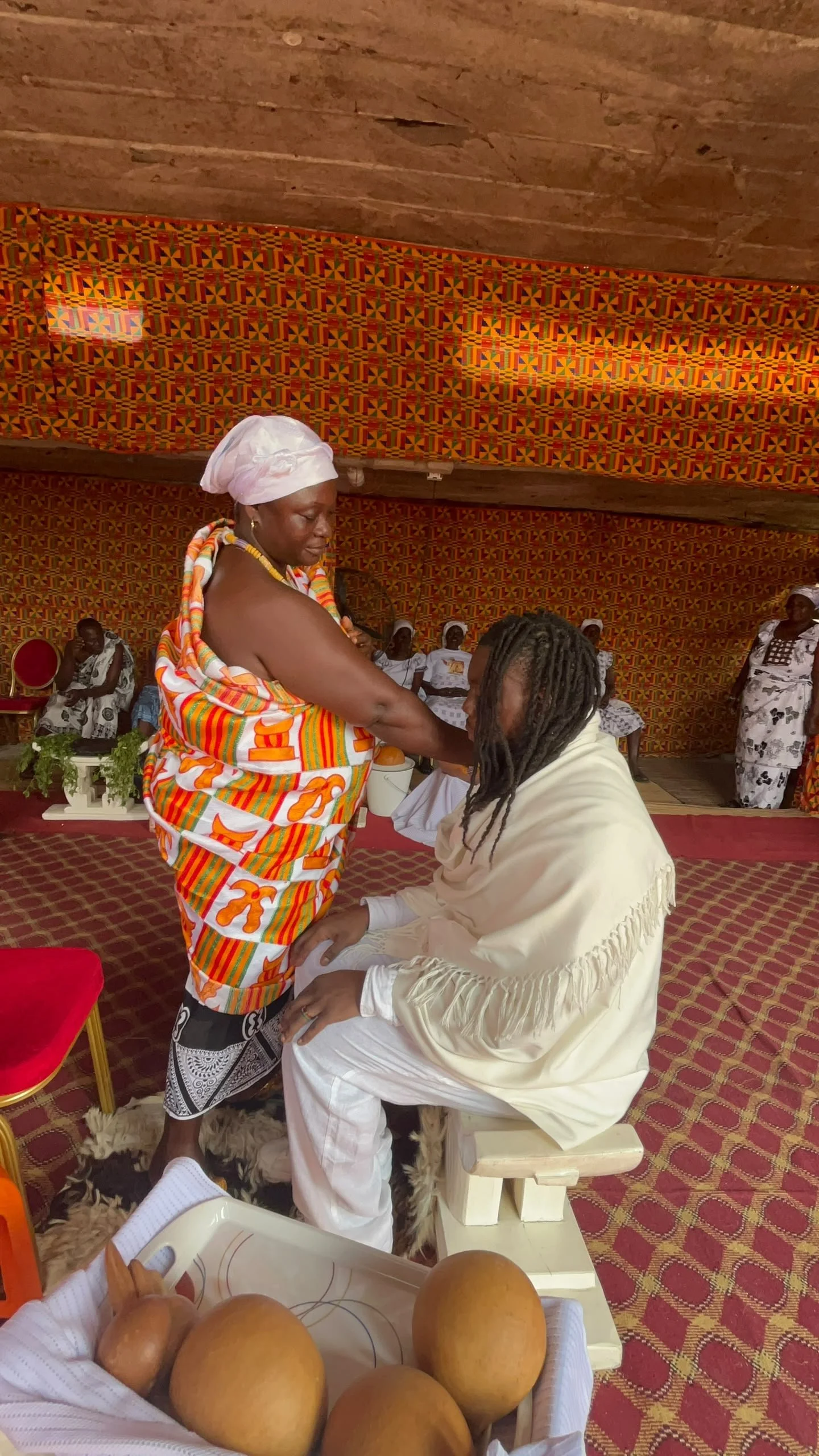
Hearing those words, fragments of my own life resolved into pattern. Why I have never known how to quit. Why forward has always been the only direction I trust. Why some certainty in me insists, without needing proof, that I can withstand what comes.
I don’t believe I was ever rejecting this part of myself, the way Lorna feared becoming her father. It was simply taken—severed generations before I was born. And reclaiming even a portion of what was lost is not a clean or simple joy. It arrives tangled with something closer to reckoning: What does this mean, now that I know? What do I owe it?
I am more aware of my own power than I was two weeks ago. That awareness is not entirely comfortable. It comes bound to obligation—not to dishonor what was left in me: the strength, the grace, the wisdom, the vision, carried forward whether I recognized it or not.
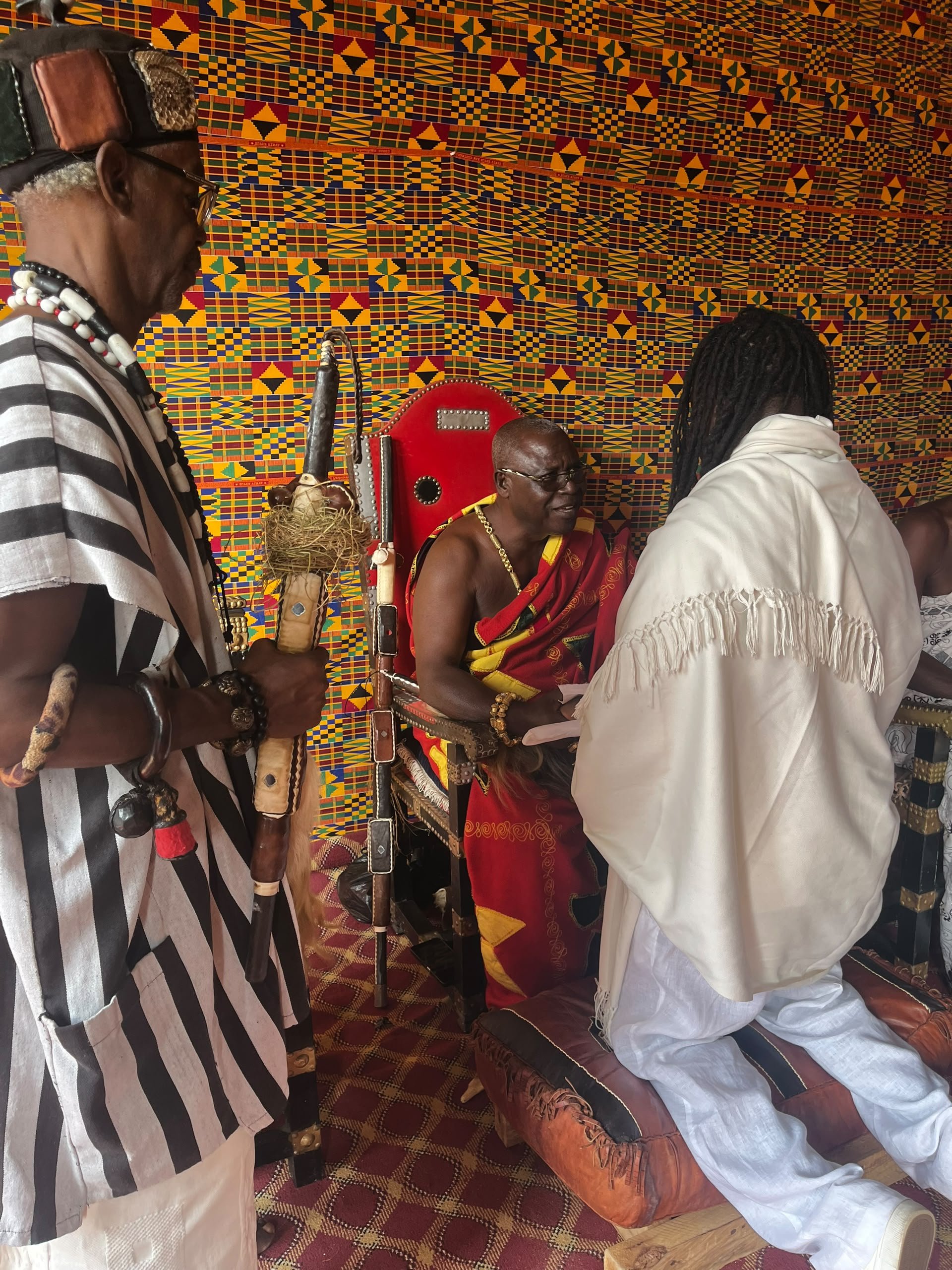
This is the weight ancestry actually carries. Not simply inheritance, but instruction.
The parallel was not lost on me: a fictional mutant learning to stop restraining her inheritance, and a Black man half a world from home learning the same. Both of us taught, in our own ways, to embrace what we are in full—regardless of what the world has already decided we must be. Both of us remembering the ones who gave us everything, long before we understood we were carrying it.
I went to Ghana in search of history. I returned home with a name.