By Leroy Adams
Eight years in, the San Antonio Black International Film Festival fills hotel rooms, puts Black-owned businesses on the itinerary and gives filmmakers from around the world a stage. Its founder says it's steeped in passion, yet still running on a shoestring.
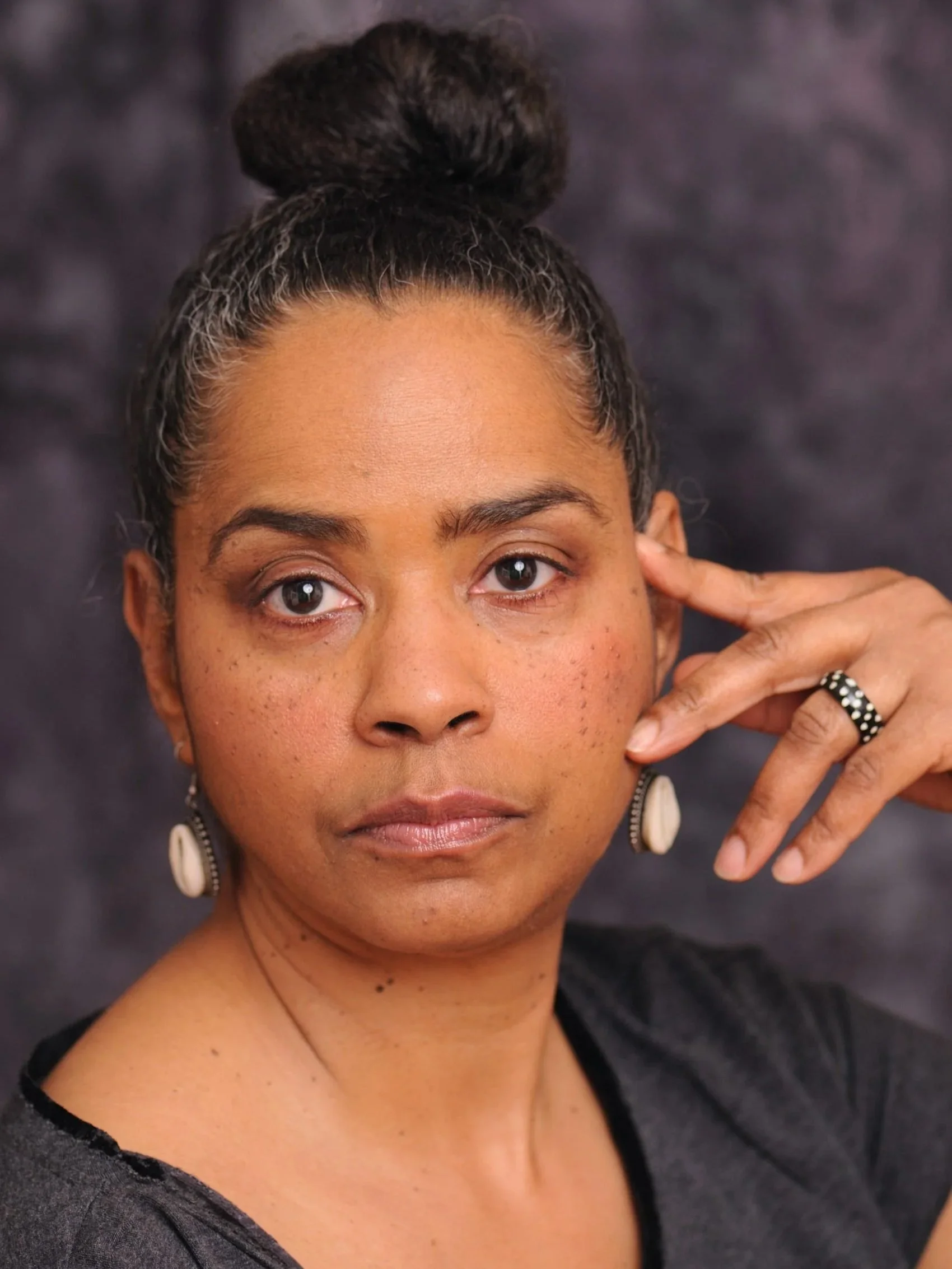
Nicole Bannister
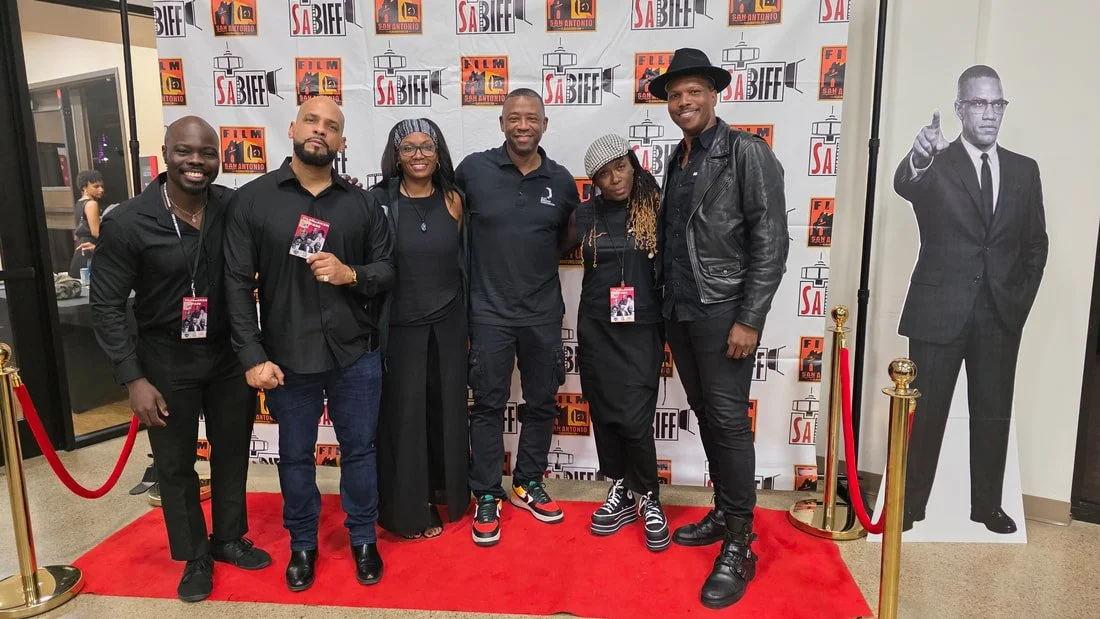
In the first week of October, a book club from Philadelphia flew into San Antonio for a film festival. They stayed for the awards gala, where life-size standing figures of Malcolm X, Sojourner Truth, Marcus Garvey and Paul Robeson watched over the room. They left saying they would be back.
That is the kind of visitor Ada M. Babineaux has spent eight years trying to bring to the East Side of San Antonio.
Babineaux is the Founder and Artistic Director of the San Antonio Black International Film Festival, known as SABIFF. This year's festival, themed "HISTORY upRISING!", ran across three days and four five locations with 53 films programmed. Many of its venues sat within walking distance of St. Paul's Square - a historic district, once known as a thriving Black business and cultural corridor before the Federal-Aid Highway Act of 1956 launched decades of urban highways constrictions segregating Black communities from economic activity - that now faces an identity crisis limiting its economic potential, and impact.
Could a destination film festival be a part of the solution?
Ada believes so, but what the festival has not had is the thing most destination festivals have: steady money and a team to bring it in. Babineaux says she runs SABIFF with volunteers, a small number of sponsors and "champagne taste on a beer budget." Her goal is to change that by proving value in what the festival does for San Antonio.
THE ECONOMIC CASE
This year, SABIFF made the Staybridge Suites on the Eastside its host hotel for the first time because Babino said their discounted rate was “affirming” and the location ideal. The festival sold 39 rooms to out-of-town guests, including nineteen visiting filmmakers.
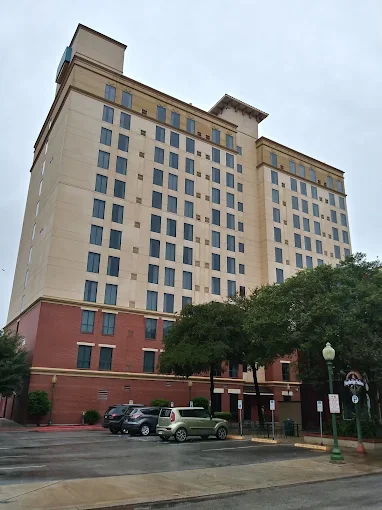
Christina Arzola, the hotel's Director of Sales, says the partnership started when Babineaux approached the hotel. Staybridge saw an opportunity to support a local organization in a neighborhood with a large African-American population that is seconds away from downtown. "We felt like it was a win-win partnership," Arzola says.
"Creating memories, relaxing and exploring new destinations while feeling safe are paramount for today's Black travelers," said Simon Moriarty, vice president of research and analytics for MMGY Travel Intelligence, in the Portrait of Black Travelers in America study.
Whether or not Arzola frames it this way, she is right: from a community engagement perspective, this was a win-win. In business terms, it was a great win for Staybridge, because of the size of the Black travel market. The MMGY study, produced with the Black Travel Alliance and the National Coalition of Black Meeting Professionals, found that Black travelers spend $145 billion on domestic travel annually. Millennials show a particularly strong inclination toward destinations that celebrate Black culture, seeking cultural experiences and ways to support Black-owned businesses. And 87% of Black travelers say they are willing to pay for premium upgrades, including hotel accommodations. Christina, upsell us!
A festival like SABIFF gives a hotel the chance to help create those memories, and those feelings of safety and connection to the community.
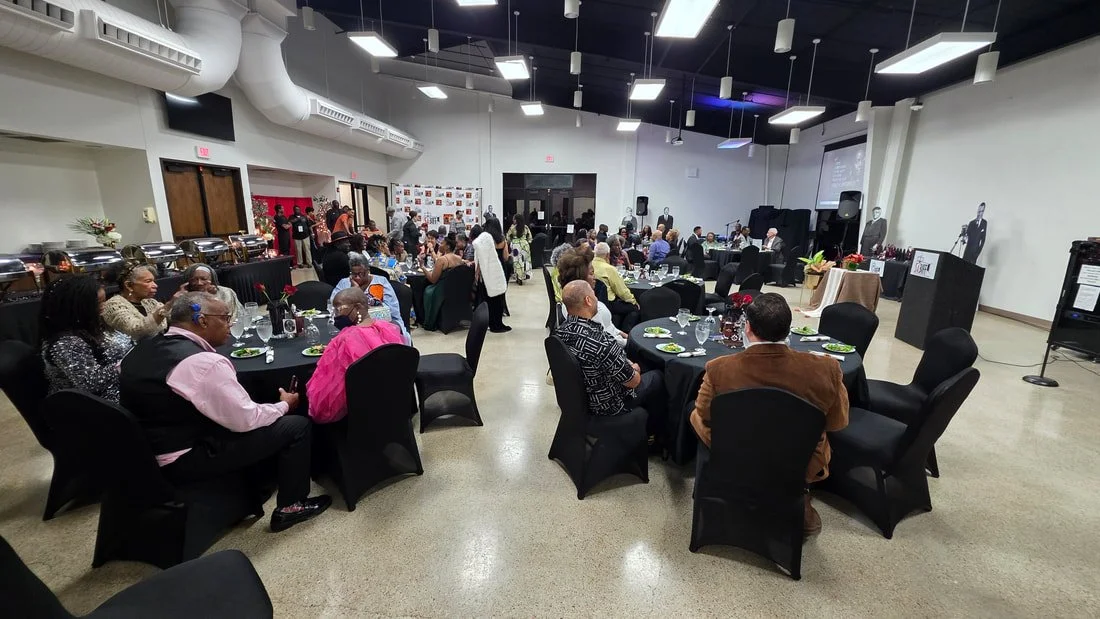
The hotel gave SABIFF a block of guest rooms for visiting filmmakers, its dining area for a Film Commission meet & greet reception, and a newly remodeled meeting room to screen films. The dates also happened to fall in a slower stretch for the hotel, Arzola says, providing StayBridge the opportunity to make sales. She also notes that many event organizers arrive with a big plan that never materializes, and Babineaux's did. SABIFF has already booked dates with the hotel for 2027. "It speaks a lot for what she and SABIFF are doing," Arzola says.
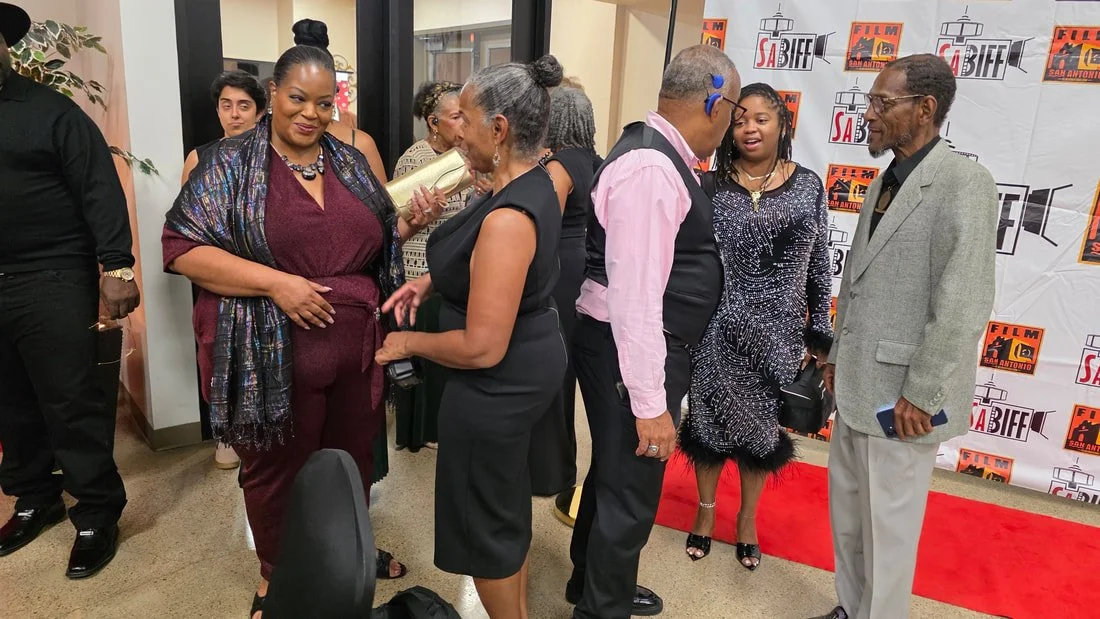
The festival's footprint is deliberately tight. Film screenings from 10 countries, workshops and the awards gala were spread across the Staybridge meeting room, a San Antonio Black History Bus Tour in partnership with Melaneyes Media , the Carver Community Cultural Center, VelocityTX, and Bethel AME Church, all within walking distance of one another. Additionally, a pre-fest happy hour open-night poetry gathering at Tryst Kitchen + Cocktails, welcoming community members and visiting filmmakers.
"The goal is for people to come and spend time. And to have a positive and impactful experience locally as well as online," Babineaux says, that offers teachable moments, elevates Black Creatives, offers a platform for their works, enlightens the ill informed, and exposes audiences to a wealth of stories, images and voices.
She points to the Denton Film Festival, a Texas festival that has become a destination for visitors. Its organizers visited San Antonio to share how they did it. In Denton, she says, the mayor looked out at the festival crowds and saw full restaurants, which helped win further support. Babineaux says Denton has people on its team whose job is to bring in sales and funding, from tourism and arts agencies. SABIFF does not. Ada says finding that type of help is a priority in order “to grow and sustain the festival.”
The city's business community sees the potential. Dr. Krystal Cross, President of the Alamo City Black Chamber of Commerce, says an event like SABIFF contributes to the area's economic growth. "It will draw people here and keep our people here," she says. When asked about the idea of a destination film festival on SA’ East Side, she echoed Chirstina’s optimism, "A destination festival would drive economic growth."
What can Ada offer now:
519 film submissions across eight festivals, with roughly 50 to 70 each year (an increase to 95 submissions for SABIFF 2026’s
An online edition that reaches over 33,000 viewers.
Two steady sponsors for several years: H-E-B and the San Antonio Film Commission.
Volunteers who include retired military members, in a city with a large military community.
A host hotel that has already booked 2027 dates.
Sundance Institute's economic impact reports show what a festival can mean for a host city. According to the Institute's assessment of its 2024 festival, out-of-state visitors spent an average of $4,411 each, for $106.4 million in total spending, feeding a total economic impact of $132 million for cities like Miami and Los Angeles, home of the American Black Film Festival - twenty-nine years and counting - and Pan African Film Festival - recently celebrated its thirty fourth year.. The Institute's report says that spending went to lodging, meals and other purchases, not to festival revenue. Sundance is the top end of the scale, but the source of the money is the same for a festival of any size: visitors who come to town and spend.
A FOUNDER WHO BUILT THE THING SHE NEEDED
Babineaux is a San Antonio native who graduated from Sam Houston High School (SHHS). She went to the California Institute of the Arts hoping to become a dancer and left after a semester. A visit to her sister at Howard University changed her direction. "I was in awe of the beautiful Blackness that surrounded me," she says. She switched her focus to film and television and enrolled at Howard's School of Communications.
At Howard, she says, she learned that Black independent filmmaking existed at all. And was worldwide. "I thought it was either Hollywood or bust, and that ‘wizard of oz’ adventure so far removed from a lil’ Black Girl’s reality of making films that speak to my culture. She interned at every HU media outlet while in college, became the 2nd Senior Producer of a student produced magazine show called Spotlight at HU’s PBS station, took a scriptwriting class and after graduation worked for the filmmaker Haile Gerima on the epic independent film Sankofa, made her own film about Black hair called Middle Passage -N- Roots and went on to work in the production world in Washington, D.C., as an Associate Producer for the the former “Screen Screen” at Black Entertainment Television (BET) and a Special Projects Producer at BET On Jazz becoming a part of the BET family from 1996 until they were sold to Viacom in 2001.
She moved back to San Antonio in 2014 to care for her elder mother. She entered a documentary about her grandparents, her graduate thesis film, in a local SA film festival and it wasn't selected. So she arranged a screening herself at the SAPL downtown, with help from her former SHHS classmate, Dr. DL Tilford Grant librarian at the Carver Library, the very place where SABIFF was launched in February 2019, and continued with Sunday matinee showcases until they closed temporarily to undergo renovations.
"When you're rejected, you go another route," Babino says. "You open the door yourself.”
The lesson she took from that: when Black stories are left in the hands of people with no connection to the community, "they're an afterthought." In 2018, she pitched a Black film festival to a group of local black entrepreneurs and creatives. By the end of the meeting, the name SABIFF had come up. A soft festival launch followed at the Carver Library, spotlighting other local Black filmmakers, drawing about 300 people.
WHY “INTERNATIONAL” MATTERS
Babineaux's time at Howard shaped the festival's reach. "When you go to an HBCU, you realize you're not just Black American," she says. "You connect with Africa, you connect with the Caribbean." Her alma mater's motto is “truth and leadership with a mission that emphasizes producing leaders for “American and the global community.” You walk away from the experience filled with that spirit to make a difference.
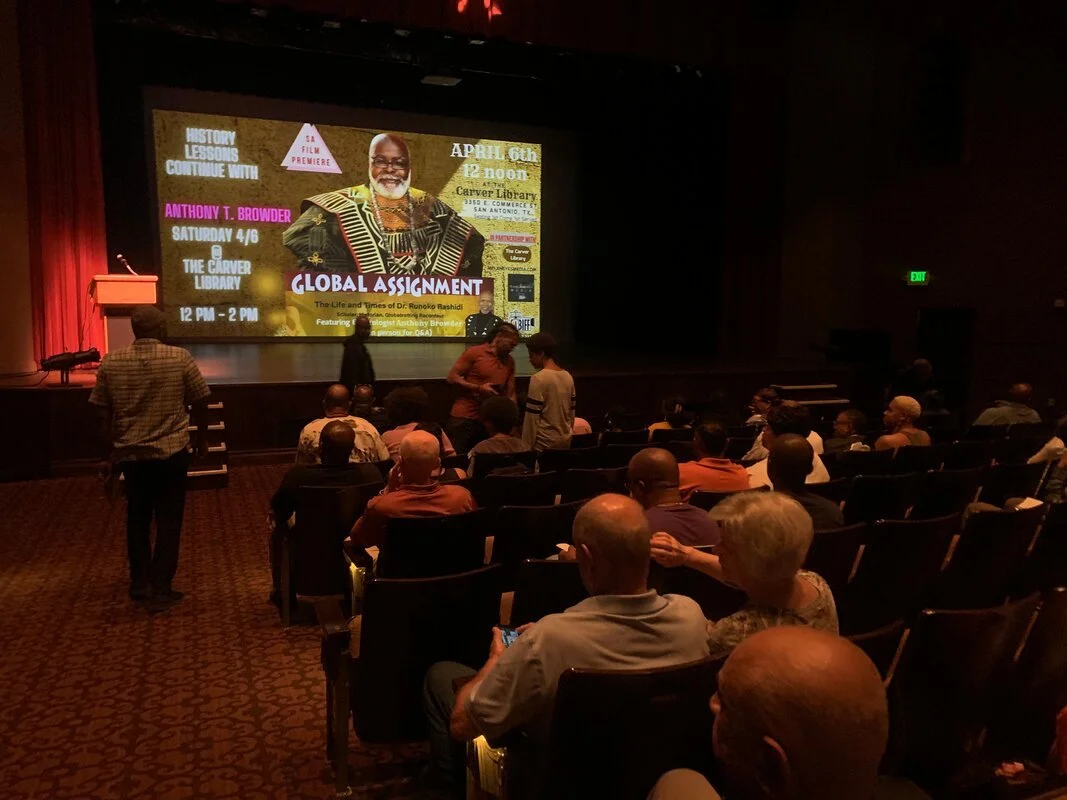
The festival accepts films that are by, for or about people of African descent, so a filmmaker in Europe, South America or even Australia can, and have, entered SABIFF’s Open Call. Entries have come from Jamaica, France, Uganda, Zimbabwe, Ghana, Nigeria, Ethiopia, Nigeria, St. Lucia, Haiti and Martinique, among others. This year's opening-night film was a highly acclaimed documentary, The Eyes of Ghana directed by Ben Proudfoot and executive produced by Barack and Michelle Obama's Higher Ground Productions. The film is scheduled for a theatrical release in late November 2026. Past programming has presented films themes on mental health, love, loss, civil rights, identity, Pan Africanism, femininity, LGBTQ stories and an assortment of diverse genres from around the world that Babino says “connects our common humanity.”
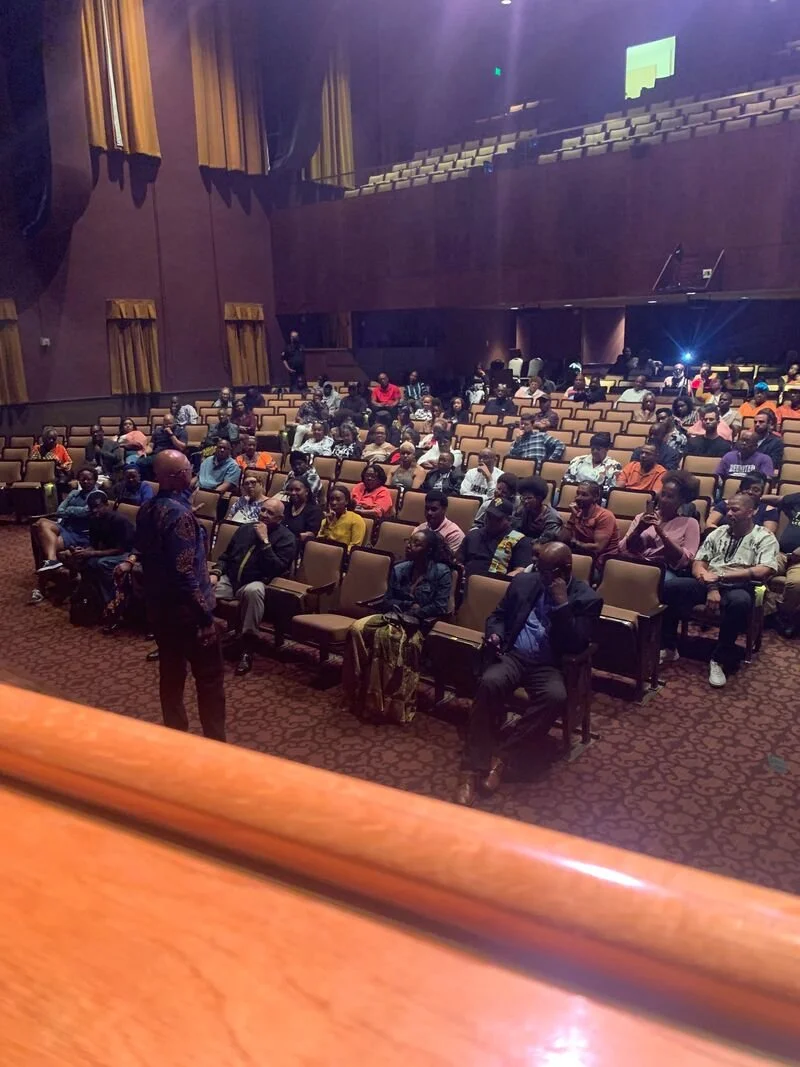
Filmmakers tell her SABIFF team that their festival feels different. At many festivals, she says, they are "a commodity," brought in, shown and forgotten. At SABIFF they speak after screenings and are acknowledged by name. Leon Hendrix, who won Best Narrative Feature Film for Montmartre, wrote to Babineaux in October after receiving his signature award, a Egyptian Oblique shaped South African stone trophy with his name on it. "It's a LOVELY award," he wrote. "Most film festivals don't bother with putting so much attention to detail into the awards, nor do they approach shipping, communication and all around consideration for filmmakers with the kind of intention and respect you have."
WHAT IT TAKES TO MAKE SOMEONE TRAVEL
Jameelah Houston, a school teacher and filmmaker from the South Side of Chicago, is one example. She came to SABIFF with The Right Kinda Negro, which won the Audience Choice award and Best Student (Documentary). She could have taken part online. She came in person because, she says, "it was important to physically be in the room with people who were experiencing my film." The film explores Black identity, respectability and colorism, and what it means to be "the right kind of Black person." Those conversations, she says, "deserve to be had beyond just the screen."
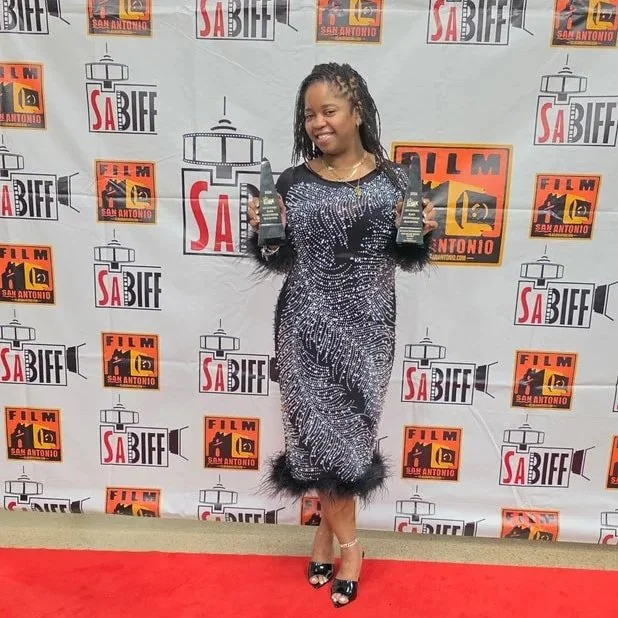
The trip was a real cost. "Travel to San Antonio was absolutely an investment," she says. "But I believe that showing up for your work absolutely matters just as much." The connections and relationships she built, she says, were as valuable as the recognition the
A Film Festival Built on the East Side Is Ready to Prove What It's Worth
film received. Canadian filmmaker Katia Café-Fébrissy who traveled to San Antonio for the first time, also appreciated the warmth and connectivity felt at SABIFF 2026.
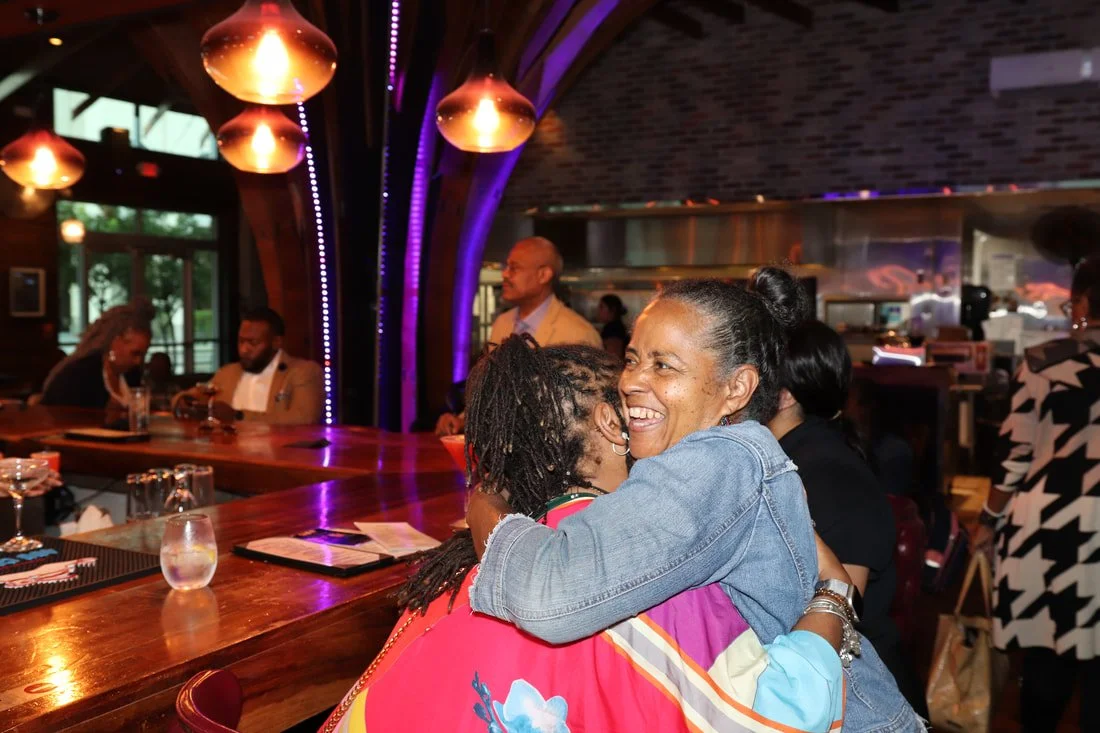
What stayed with Ms. Houston was the intention behind the festival. "You could really see the love and the care that Ada and the team put into curating this festival," she says. "It wasn't just really about showing up or showing your film and just leaving." Independent filmmakers, she says, are often so focused on finishing and releasing their work that they rarely get time with people who understand the process. At SABIFF, the connection happened "all around the city," not in one hotel ballroom, and it meant being "surrounded by other Black Creators, hearing about their projects and celebrating each other's work." She left, she says, "feeling genuinely appreciated. And that's really something that I won't forget."
She also saw the city. She took the festival’s programmed San Antonio Black history tour and says her guide (Aundar Maat), was "so knowledgeable and so passionate about San Antonio's history." She learned that San Antonio holds the largest MLK march in the country. "I had no idea," she says. When she thinks of centers of Black history, she says, she thinks of Atlanta, Chicago and the Deep South, and San Antonio is not one of the places that comes to mind. The visit reminded her that "Black history is everywhere."
"I came to San Antonio to share a piece of Black history through my film," she says, "but I ended up learning a whole lot of Black history for myself."
It is the destination-festival case in one filmmaker's trip: a reason to come, things to do between screenings, local businesses to support and a reason to return.
WHAT THE FESTIVAL IS UP AGAINST
Ada, who recently increased her Board from 3 - 9 members, says she also needs committed leadership in areas like sales, marketing, and grant writing, along with funding that pays people.. SABIFF has over three years of consistent funding support from the San Antonio Film Commission and H-E-B with micro funds from the City of San Antonio’s City Council Project Fund (CCPF) grant. She is seeking to get the attention of Bexar County, banking institution sponsorships and local transportation and tourist partnerships that find value in her mission and vision to grow economic development in San Antonio’s district two. As she grows the walkable festival venues, she's also considering a transportation partner, a trolley or shuttle that moves visitors between the festival venues.
YEAR NINE: COMEDY WITH A CONSCIENCE
Festival themes come from Babineaux herself. Past theme focus areas have entailed: Overcoming ‘isms’, We’re In This Together, Sistarzs in Cinema, Animation In Black, HBCU Love, and health. This year's ‘History UpRising!’ was a response to political attacks on history and education. "Our uprising is using our intellect," she says. "Our weapon is education and Black excellence." As is the theme for SABIFF’s virtual podcast “Film Fiyah” a nod to magnifying Black excellence behind and in front of the camera for indie as well as Hollywood films, practitioners and media professionals.
Next year's theme is comedy as healing and consciousness-raising. She plans a pre festival comedy focus at a Black establishment workshops on comic scriptwriting, comedic acting, directing, and honoring a nationally known comedian or comedic director with SABIFF’s signature Ankh Achievement Award. Since San Antonio is a ‘military city’ plans are also to mark the Air Force's 80th anniversary with film programming on Black military service men and women’s contributions through curated film showcases. In year ten, SABIFF could apply to become an Oscar-qualifying festival. Babineaux says she is not chasing a red-carpet celebrity. Her goal is to stay true to a festival that celebrates film and creatives.
THE BIGGER PICTURE
For sponsors, the pitch is simple. A festival that brings visitors to Eastside San Antonio and downtown, books hotel rooms and gives Black-owned businesses a place on the itinerary has real value to a city that depends on tourism. The proof is in the numbers, and SABIFF is gathering them now.
Babineaux hopes year nine takes SABIFF further toward becoming a destination festival, and the hotel supports the idea. Arzola calls it "a really great idea." San Antonio is not known for a large African American population, she says, but it has the country's largest MLK march, and there is broad support for the community. A destination weekend fueled by the San Antonio Black International Film Festival could be a chance to give back to a community that has been underserved.