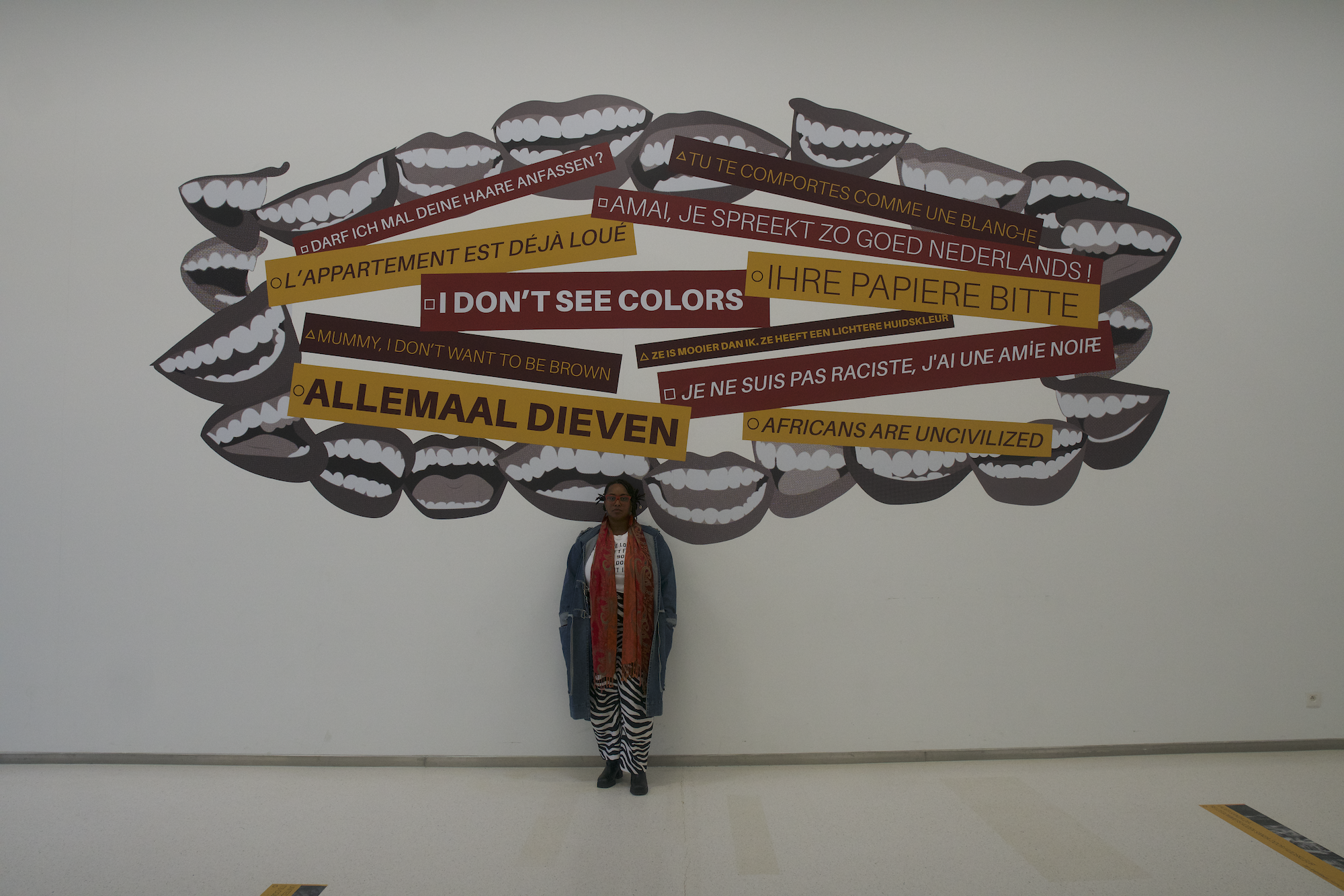
The Africa Museum
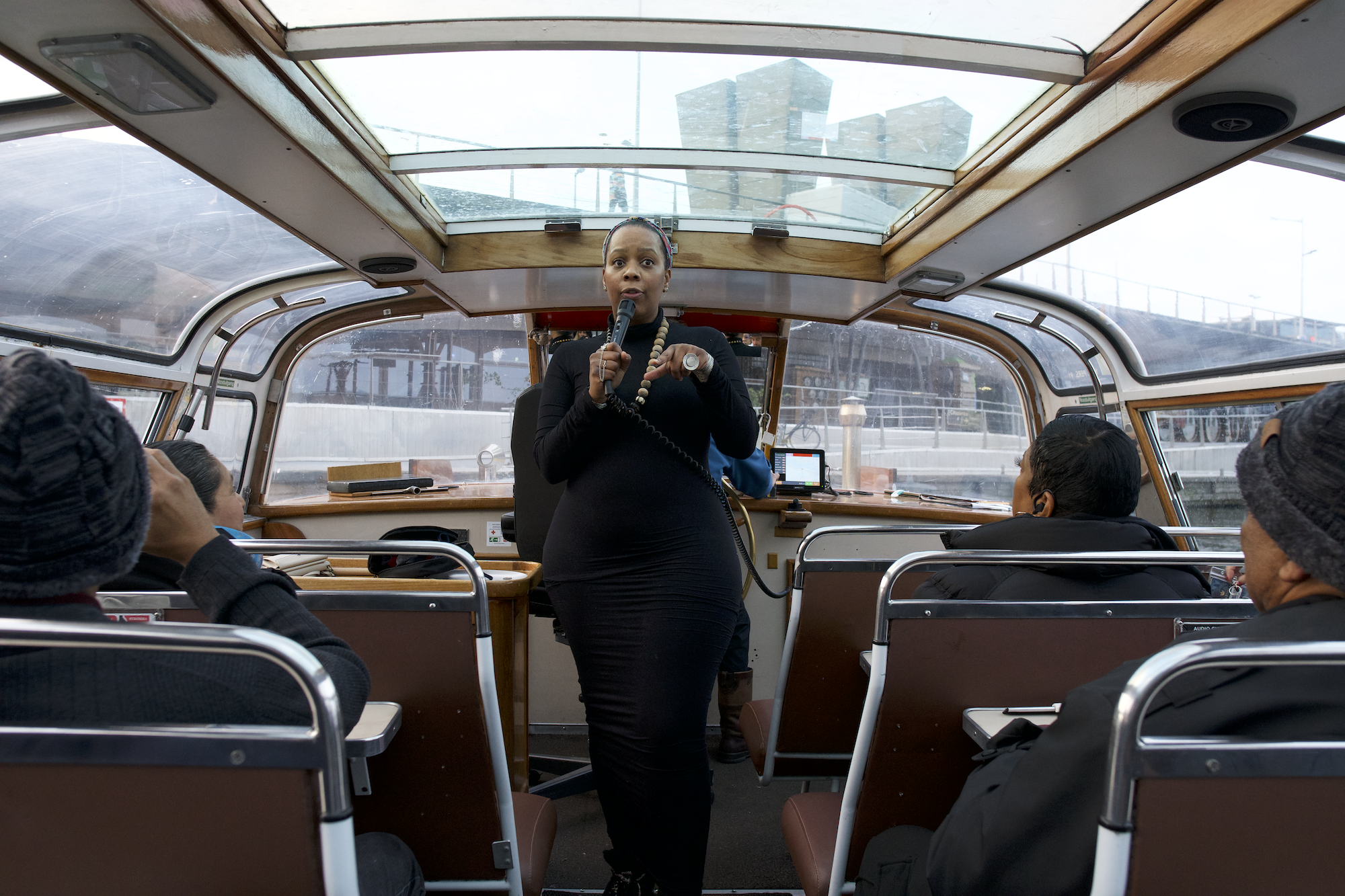
Walking through Amsterdam and Brussels with our guide Ashaki, I kept thinking: They really don't put this in the tourist brochures. Between the canals and canal houses, the museums and the markets, there's a Black history that Europe has spent centuries trying to erase. Here are five facts that changed everything.
1. THE MOORS BUILT EUROPE'S INTELLECTUAL FOUNDATION
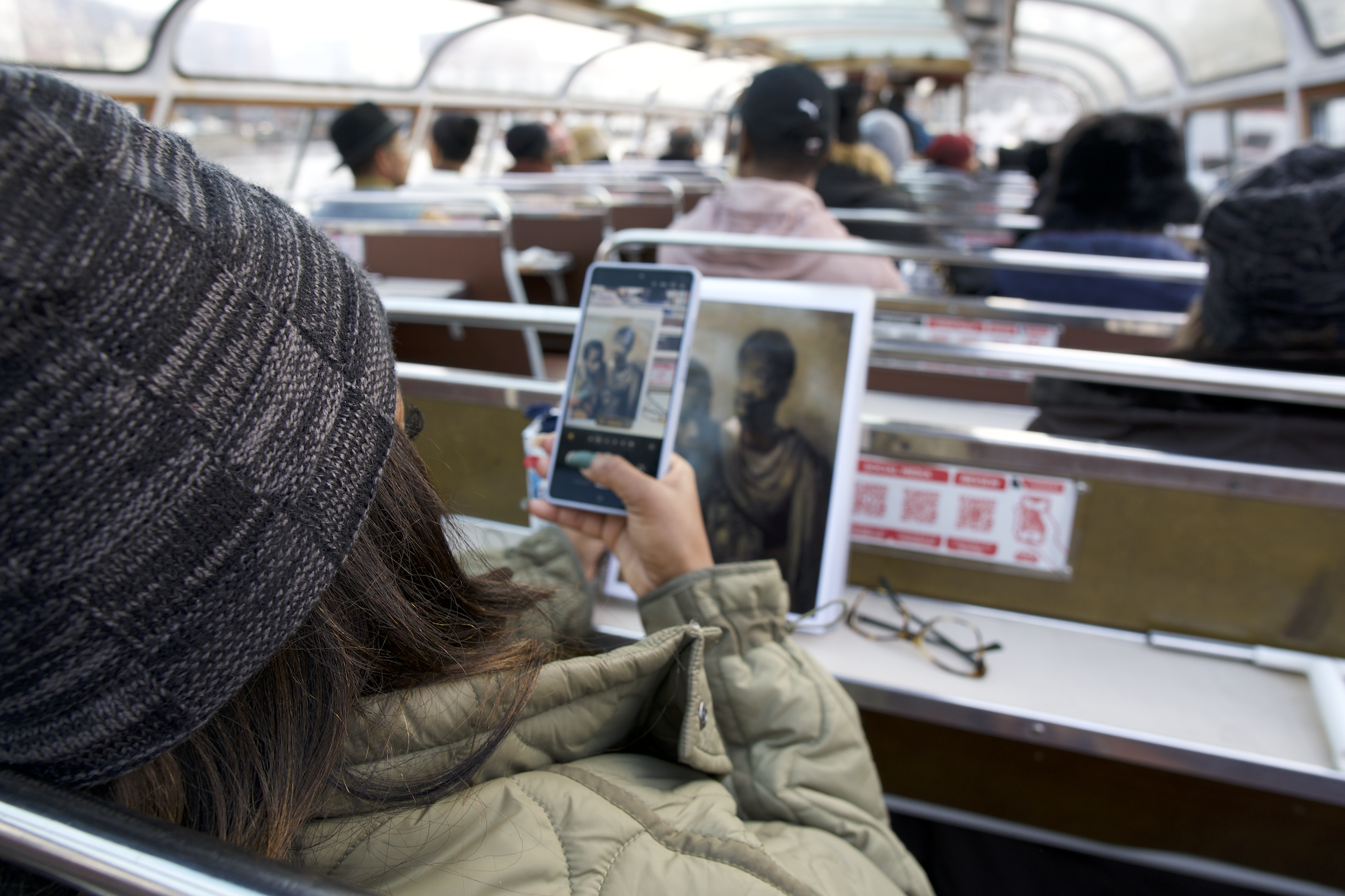
Black Heritage Canal Tour in Amsterdam
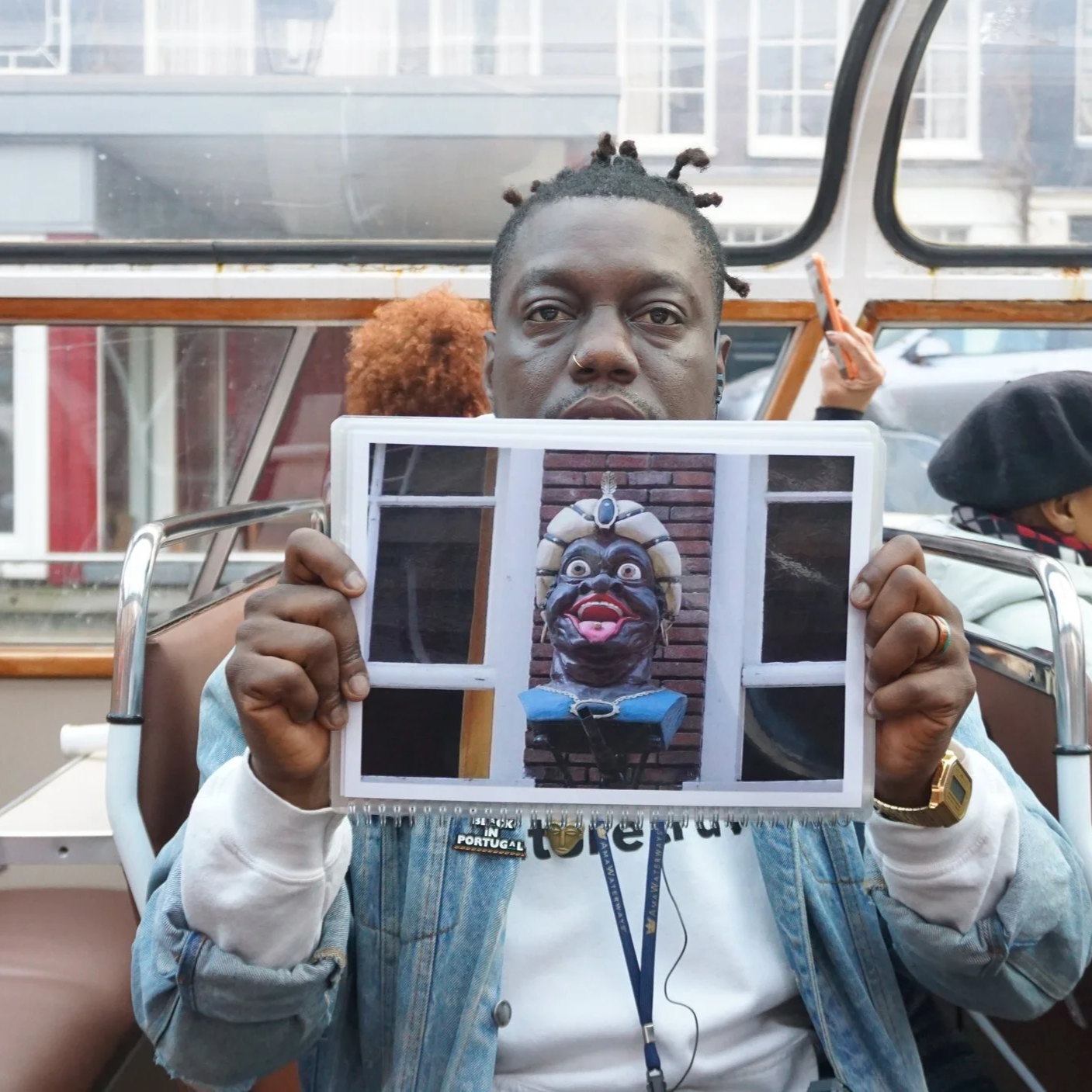
Before 1492, the Moors—Black African and Arab Muslims—were present in Europe, establishing universities and libraries across the continent. They were scholars, scientists, and medical pioneers. Europeans actually used images of Moors in their pharmacies because Moorish medicine was considered the gold standard.
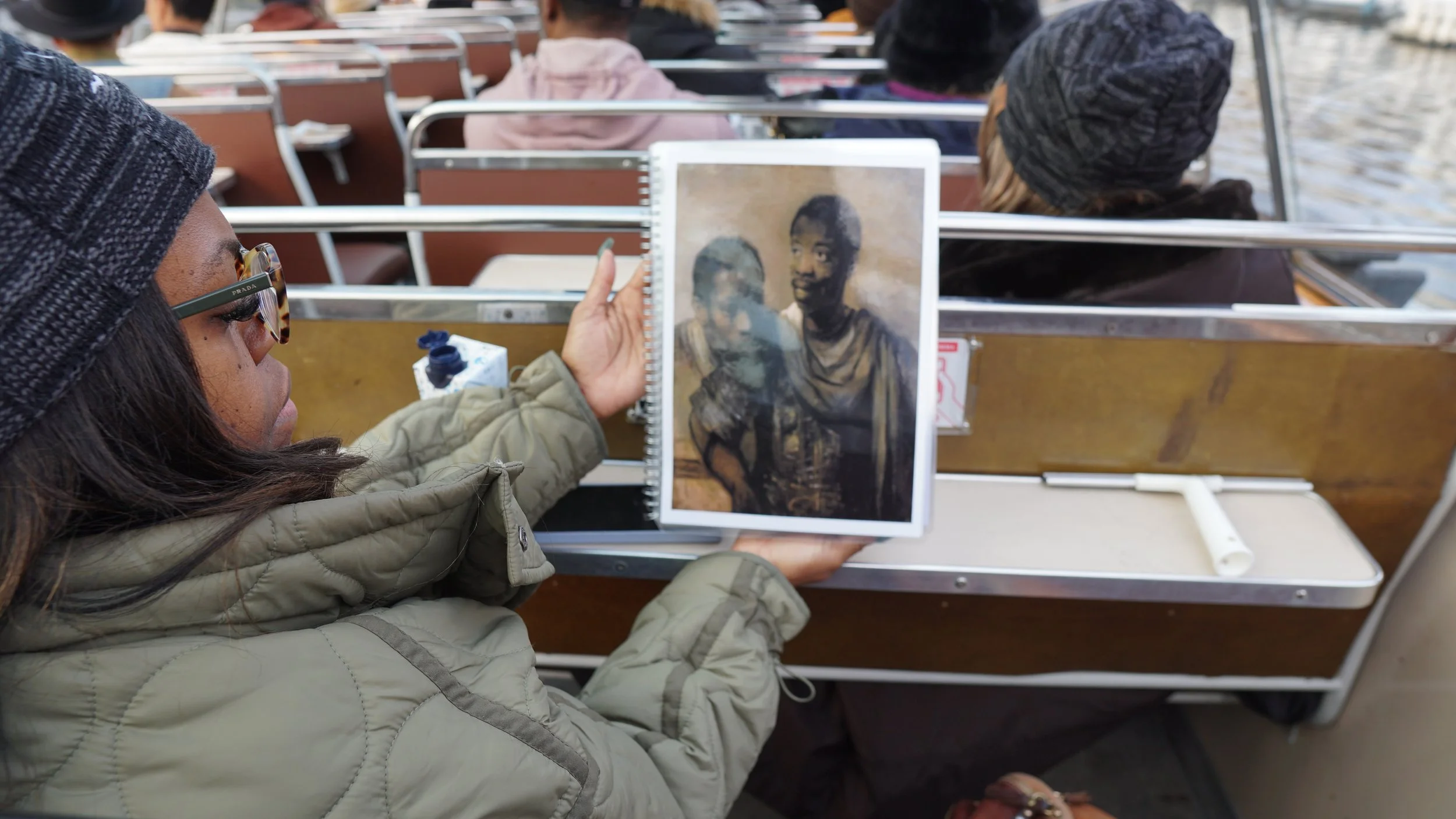
A traveler holds up a picture of the Moors
But in 1492, the Moors were defeated. Their libraries were burned. Their inventions were credited to Europeans. Their identity was systematically erased—the same playbook used during slavery. Strip away the name, the religion, the culture. Make people forget who they were.
2. AMSTERDAM LITERALLY OWNED SURINAME
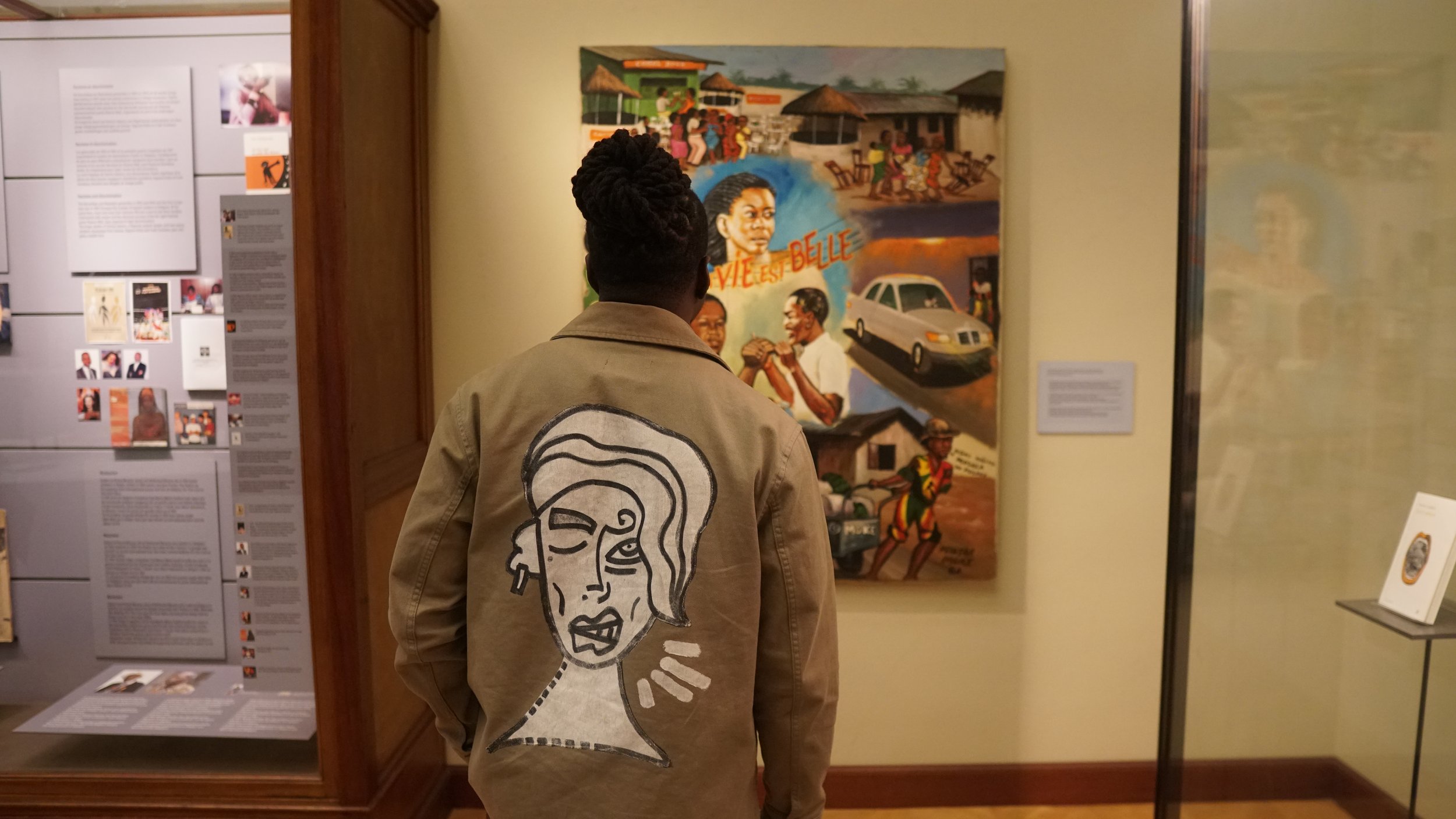
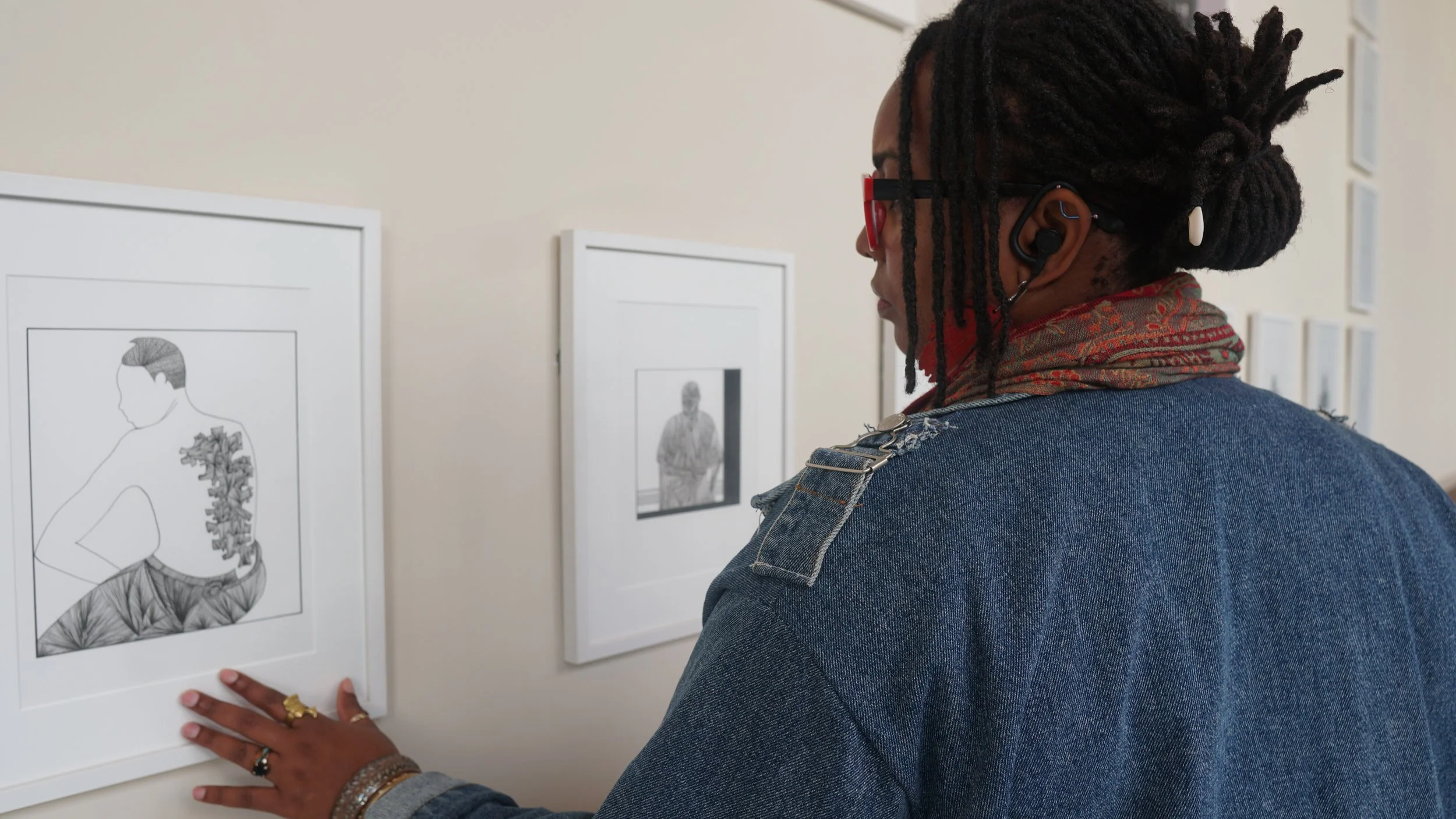
The Africa Museum
That beautiful palace at Dam Square in Amsterdam? Built in 1648. And right there in the architecture is propaganda disguised as art—Atlas holding up the world, the City Virgin of Amsterdam receiving "gifts" from all the continents the Dutch colonized.
Here's what they don't advertise: The city of Amsterdam—not just Dutch merchants, but the city itself—was one of three owners of Suriname. They owned an entire country. The Dutch traded New York for Suriname because the land was so fertile for plantations.
We walked past houses worth 18, 25 million euros today. Every brick, every canal, every gilded statue—built on stolen land and stolen labor. Forty percent of plantation owners in Amsterdam were women. This wasn't just a few bad actors. This was the entire society.
3. THE MAROONS DEFEATED THE DUTCH MILITARY—103 YEARS BEFORE ABOLITION
But here's where the story gets powerful. Because our people didn't just survive, we resisted.
Enslaved Africans in Suriname escaped the plantations and fled into the interior, forming independent societies—the Saramaka, the Ndyuka, and other tribes. When the Dutch sent military forces to recapture them, they won. They defeated the Dutch military.
In 1760, peace treaties were signed. That's 103 years before the official abolition of slavery in Dutch colonies in 1863. Abolition wasn't some moral awakening. It was resistance that forced their hand.
Our guide Ashaki refused to call them "Maroons"—you know what that word means? "Escaped cattle." Even the language was designed to dehumanize us. But these were kings and queens who said "no more" and built kingdoms of their own.
4. THE DUTCH WEST INDIA COMPANY KIDNAPPED 600,000 AFRICANS
The Dutch West India Company, established in 1621, was responsible for kidnapping 600,000 African people. They had fortresses all along the West African coast—Fort Elmina in Ghana being one of the most notorious. The Dutch controlled it for 235 years. Longer than any other European power.
When you walk into Fort Elmina today, there's a plaque in Dutch. Not English. Not Twi. Dutch. That tells you everything about who controlled that nightmare.
These fortresses weren't just prisons. They were warehouses. When a plantation owner placed an order—"I need 1,000 people"—they'd go to the fortress, load human beings onto ships, and deliver them like cargo. Rotterdam, Europe's largest port, was the logistics hub for all of it.
And here's the thing—600,000 is just the number they recorded. That doesn't count the children born into slavery. Those numbers? They didn't even bother to write them down. We were erased before we were even born.
5. BLACK PETE WAS BASED ON ENSLAVED PEOPLE—AND WE GOT IT REMOVED
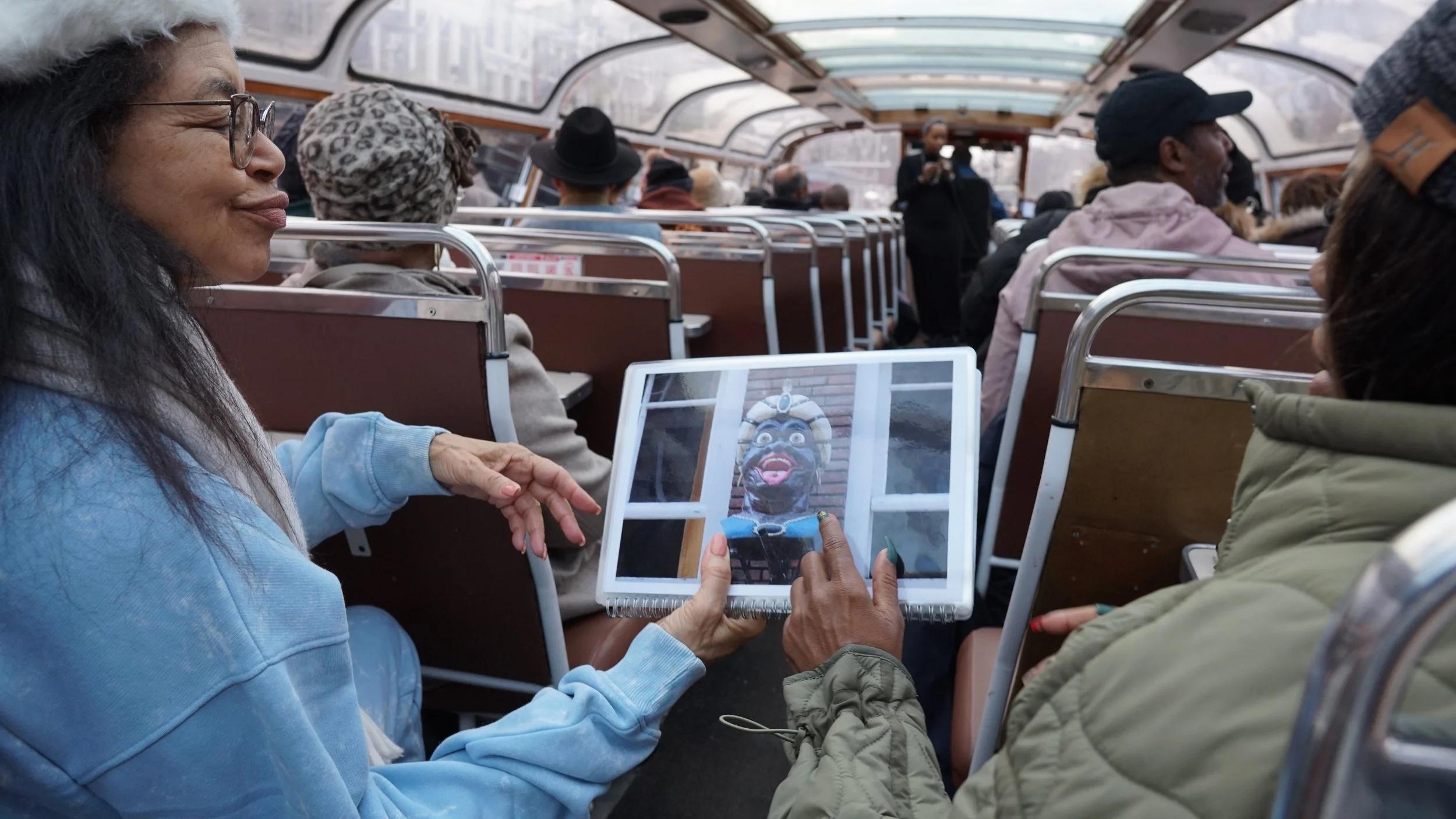
Travelers look at images of Black Pete
This history isn't just "back then"—it's still shaping today.
The Netherlands has a Christmas tradition where Santa Claus has "helpers" called Black Pete. Starting in 1852, a children's book portrayed these helpers as Black servants—but "servants" was just code for enslaved. People would paint their faces black, wear afro wigs, speak in exaggerated accents, and act silly and stupid. They told children this was because they came down chimneys.
But here's the victory: Black and white Dutch people organized. They demonstrated. They pushed back. And by 2015, every major city in the Netherlands removed Black Pete.
That's recent. That's in our lifetime.
Change is possible.