Who Gets to Tell the Story? The Miseducation of White Tour Guides
By Leroy Adams
Culture Travels Magazine
I sat inside one of the enslaved huts in Bonaire and looked out at the water.
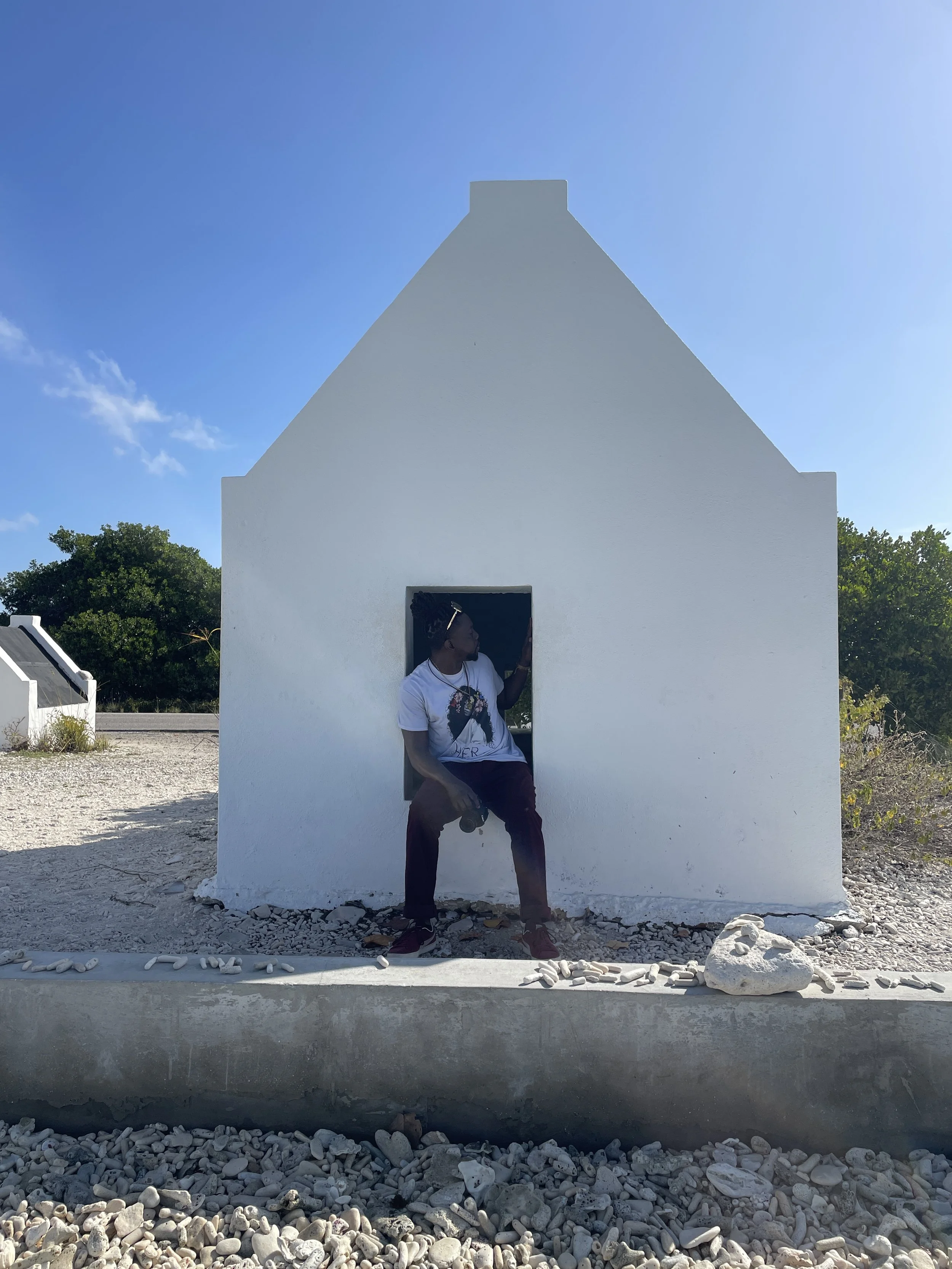
Sitting inside one of the enslaved salt huts in Bonaire.
The house was about 1.5 meter high, barely large enough to lie down in. No window to speak of, just an opening low enough that you'd have to crouch to see through it — which is exactly what the enslaved people held there would have had to do, crouching in the heat after a full day of extracting salt from the flats just outside. I sat where they would have sat, and I looked out at the same water they must have looked at, and I wondered what they were thinking as they stared at it. That water carried the very resource their country was colonized over. That resource is the reason they were enslaved in the first place. Behind me, on one of the walls inside the hut, was written “Stop Dutch Apartheid.”
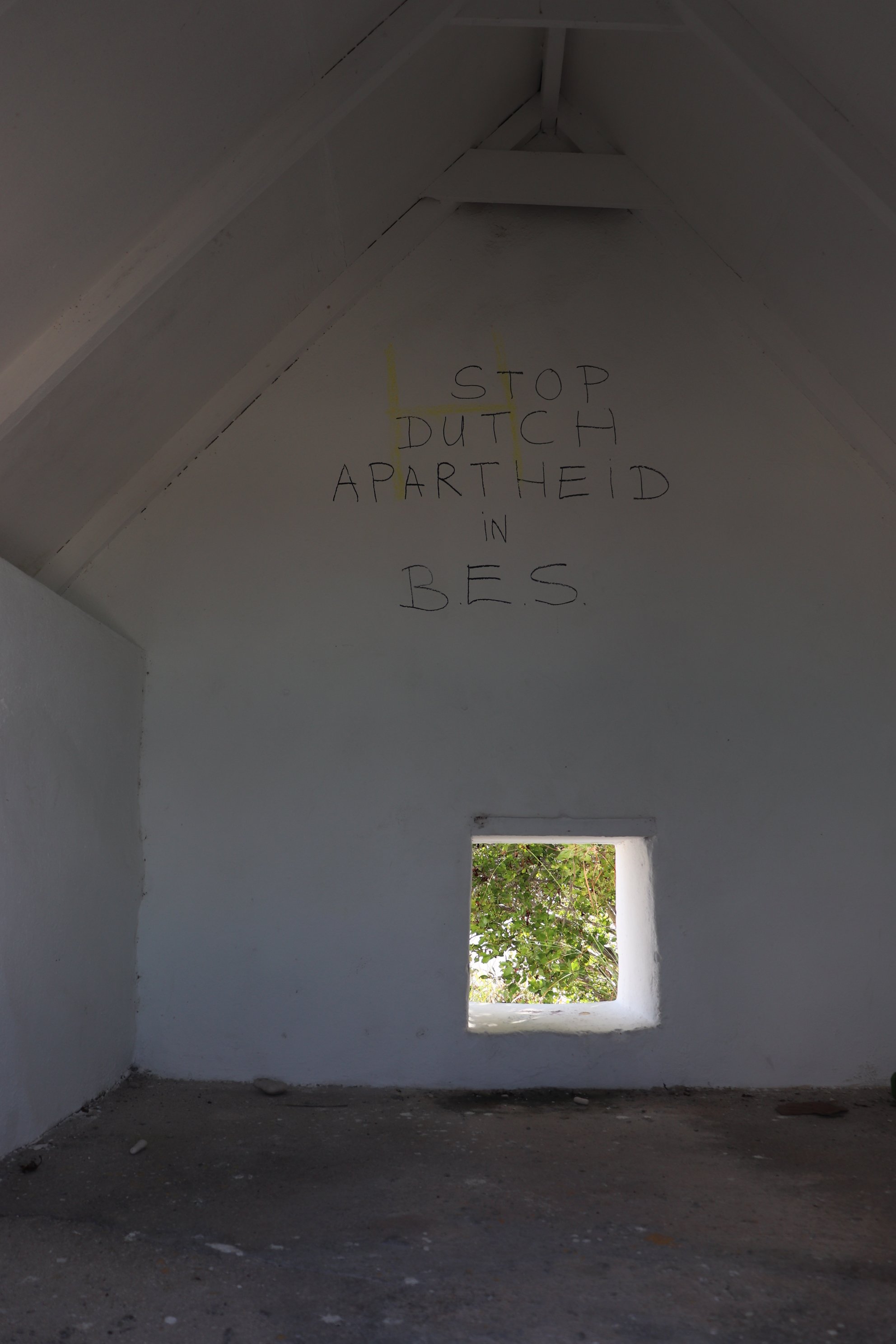
"Stop Dutch Apartheid" — a sign inside one of the enslaved salt huts in Bonaire.
UNDER DUTCH RULE
From 1636 to 1863, enslaved people on Bonaire were owned primarily not by private individuals, but by the state itself— first the Dutch West India Company, later the Dutch government directly. That distinction sets Bonaire apart from the plantation system next door in Curaçao. These men and women, primarily of African descent, formed the backbone of the island's entire salt industry, its main economic activity. They labored in the harsh conditions of the salt pans in southern Bonaire — Rode Pan, Blauwe Pan, Witte Pan, and Oranje Pan, named for the colors of the Dutch flag itself. The small white-stone hut I sat inside was built in 1850 - 13 years before slavery was abolished in Bonaire- one of several used as overnight shelter during the workweek. Most of the people held there walked seven hours back to their families in the village of Rincon every Friday, then walked seven hours back to the salt pans every Sunday, to do it all again.
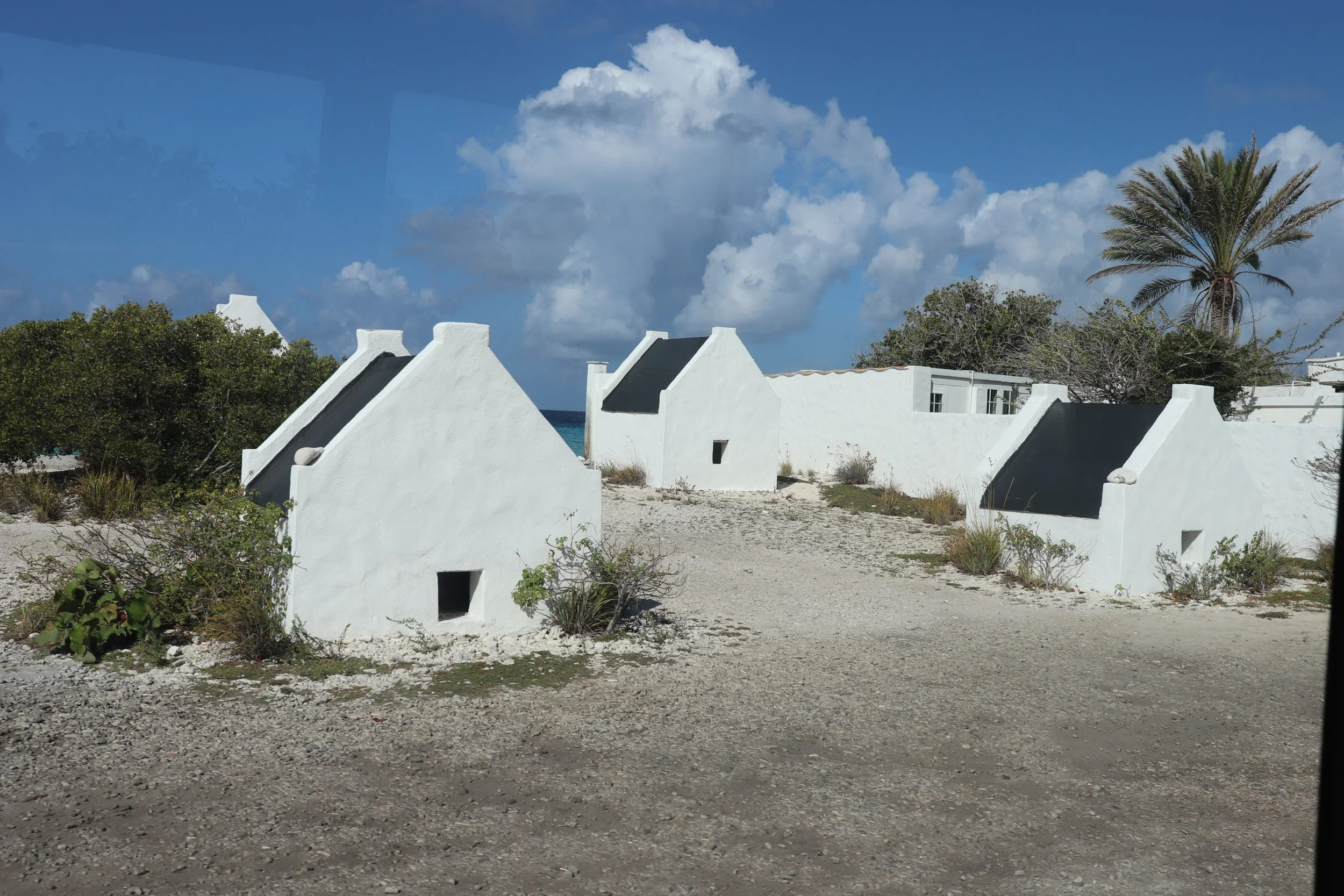
The enslaved salt huts in Bonaire.
A few feet away, the water turns pink. The color of the salt ponds, stained by the minerals being extracted from the earth. Not far past that, the water turns a brilliant, impossible blue, the kind you see on postcards. Dutch and European tourists snorkel there, relaxed, sunburned, having the time of their lives. The pink water and the blue water sit within sight of each other. One represents theft. The other represents vacation. They are, in a very real sense, the same water - the same colonial project, just at different points along its timeline. The pink water made the blue water possible. Without the resource extraction, without the forced labor, there is no infrastructure, no economy, no reason for the postcard version of Bonaire to exist at all.
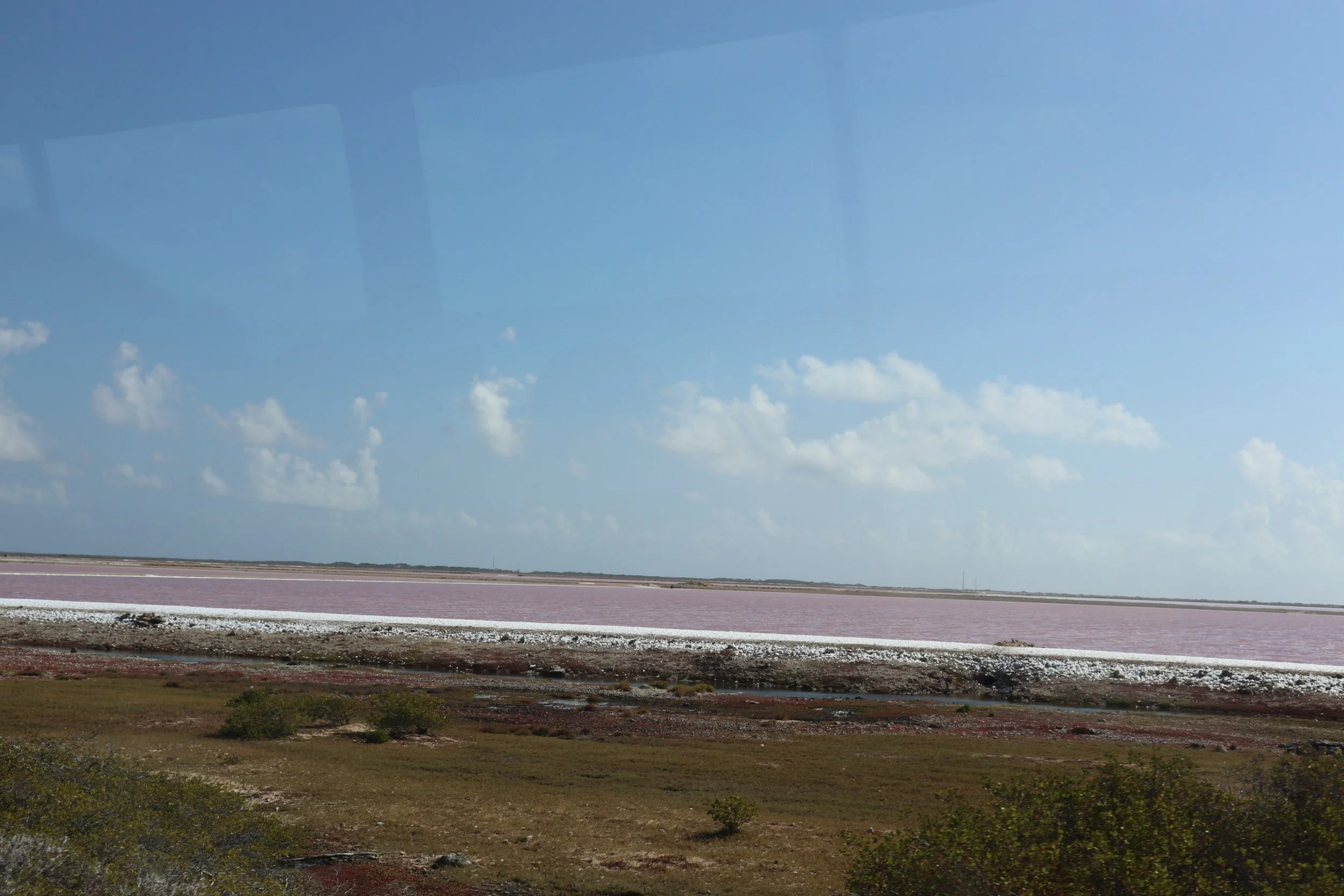
The pink salt ponds in Bonaire, colored by the minerals being extracted from the earth.
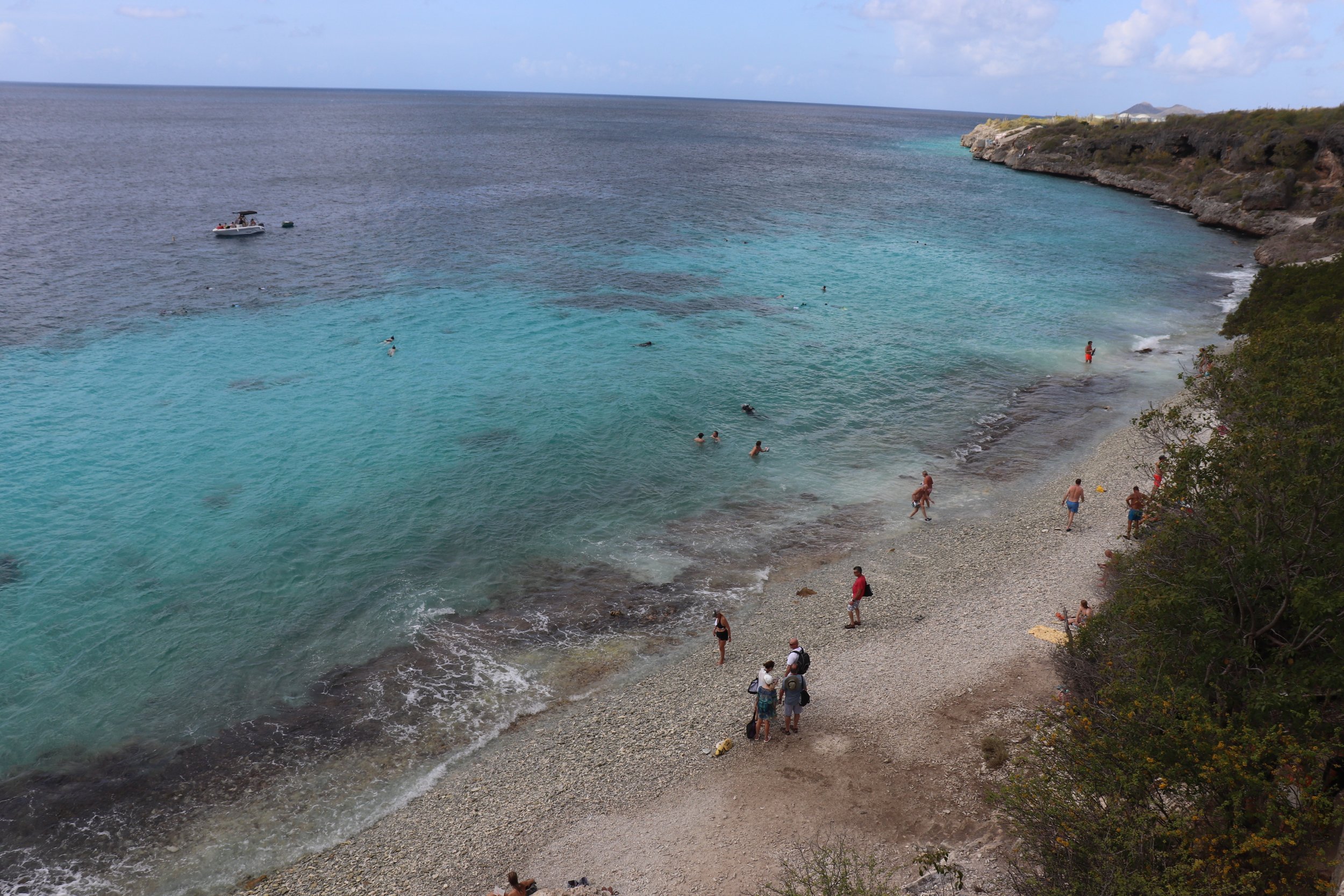
European tourists snorkeling and relaxing in Bonaire's blue water.
Our tour guide, who was Dutch, gestured toward the salt flats and said something I haven't been able to stop thinking about: "The Dutch came first, and then the slaves came over."
Not were brought over. Not were enslaved and forced across an ocean. Came over- as if it were a choice, a migration, a mutual arrangement between two parties instead of what it actually was. Later, in front of a row of small, simple homes, she made another comment, this one about the present day: that the local Bonairean population is lazy, evidenced, she said, by the fact that there are no two-story houses on the island.
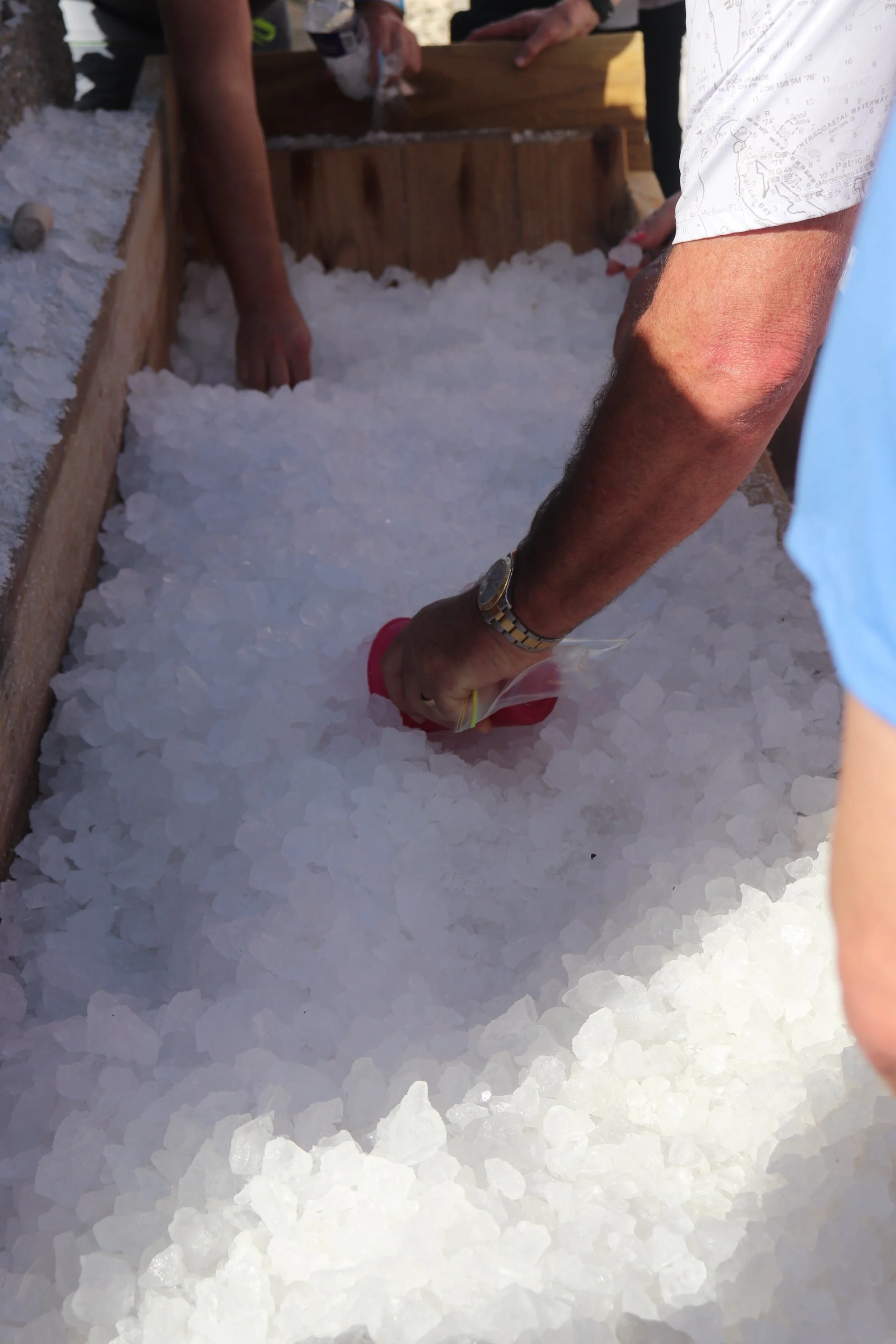
European tourists taking home Bonairean salt as a souvenir.
I want to be careful here, because I don't think this woman was cartoonishly villainous. I think she believed what she was saying. I think she was repeating a version of history she'd been taught, performing a script she'd likely delivered hundreds of times to hundreds of tour groups before mine. But that's precisely the problem. The story of a place — who suffered to build it, who benefits from it now, who gets called lazy for the conditions colonialism created — was being told to a busload of white European tourists by someone whose ancestors were the ones telling that story to conceal the theft, not to name it.
A DIFFERENT KIND OF MISEDUCATION
Two months before Bonaire, I stood inside Belgium's Africa Museum - a building originally constructed to celebrate King Leopold II's conquest of the Congo, a colonial project so brutal it's estimated to have killed millions of Congolese people through forced labor, mutilation, and outright violence in the pursuit of rubber and ivory.
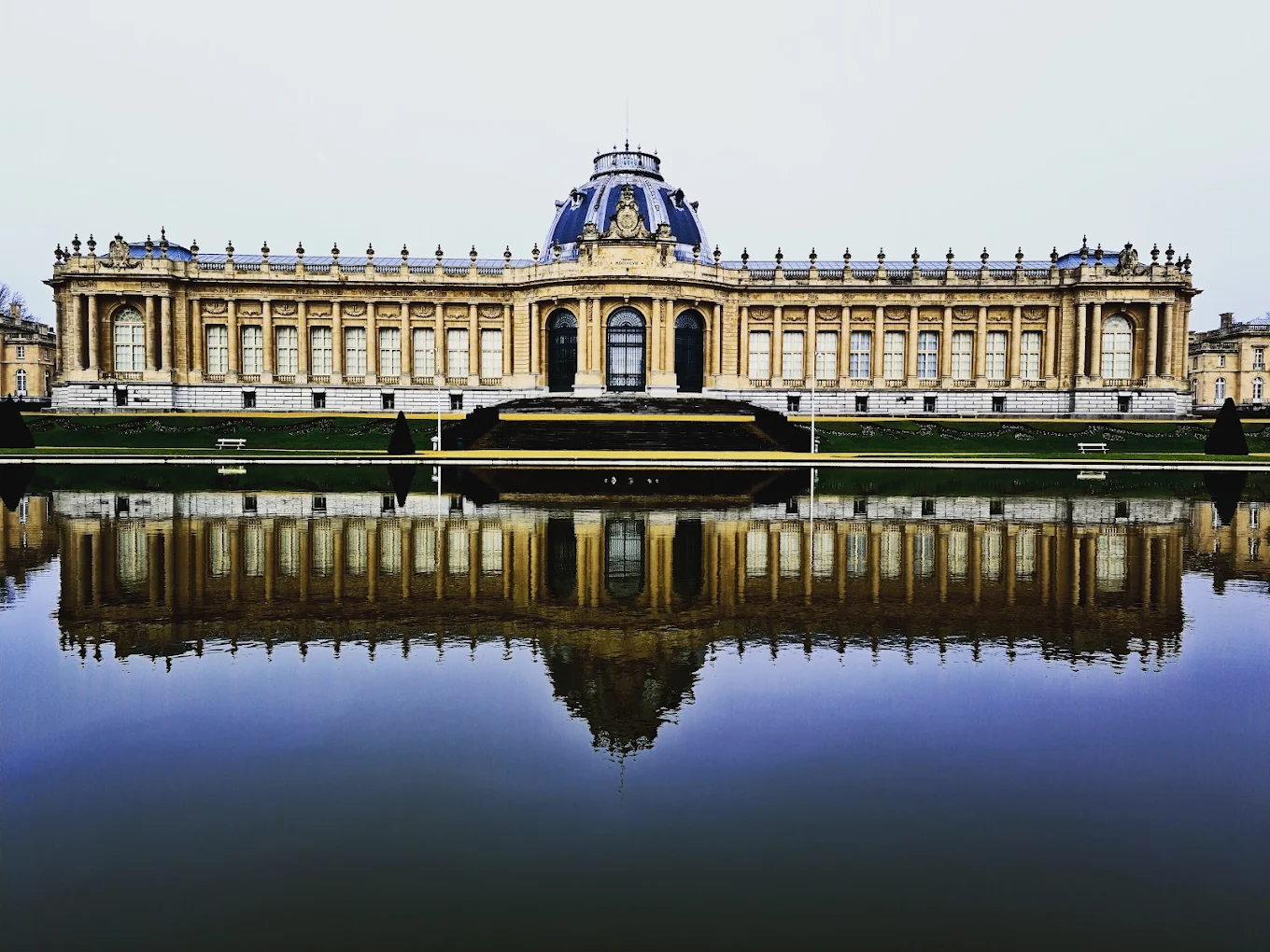
The Africa Museum in Belgium.
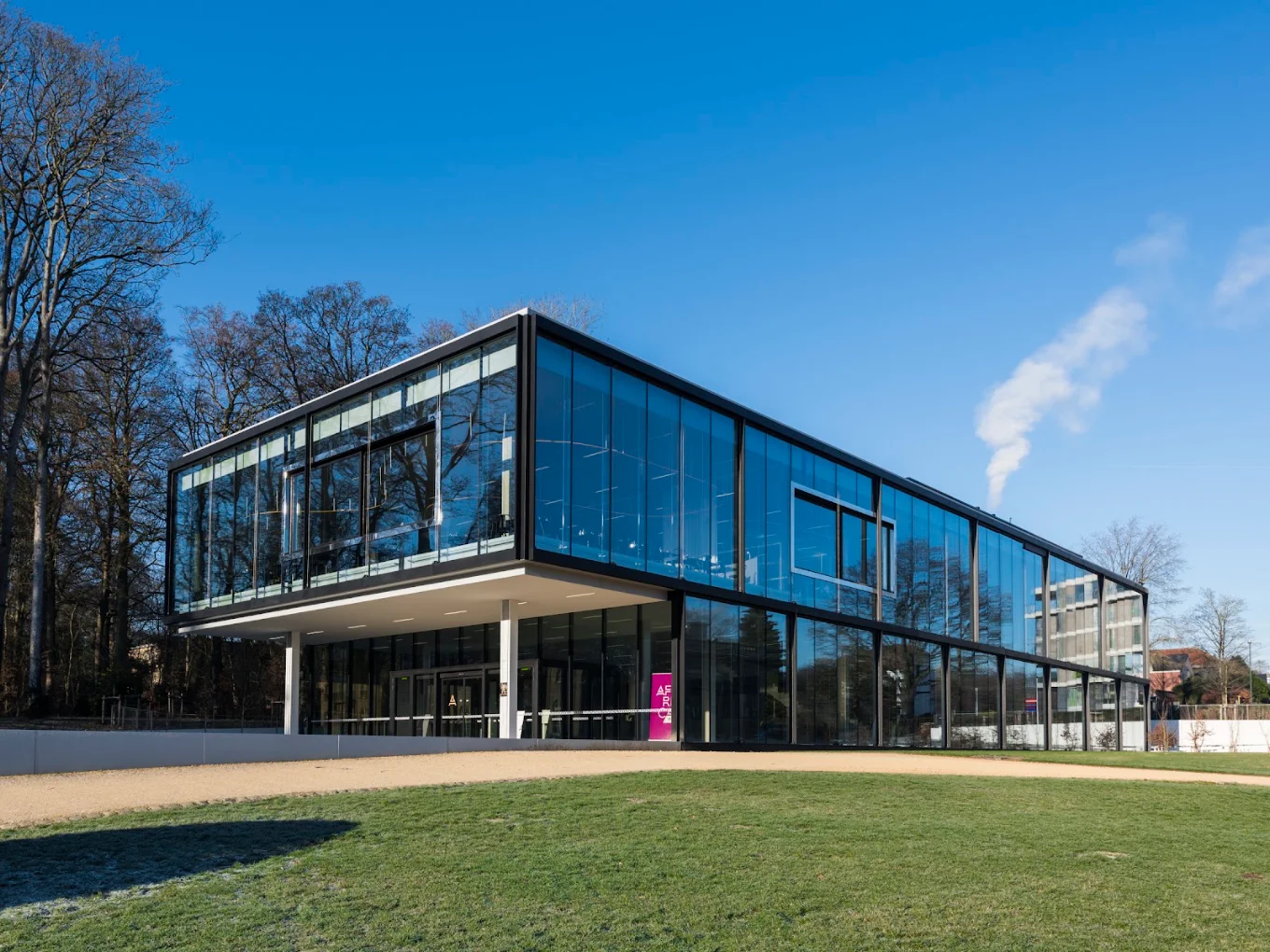
The Africa Museum in Belgium.
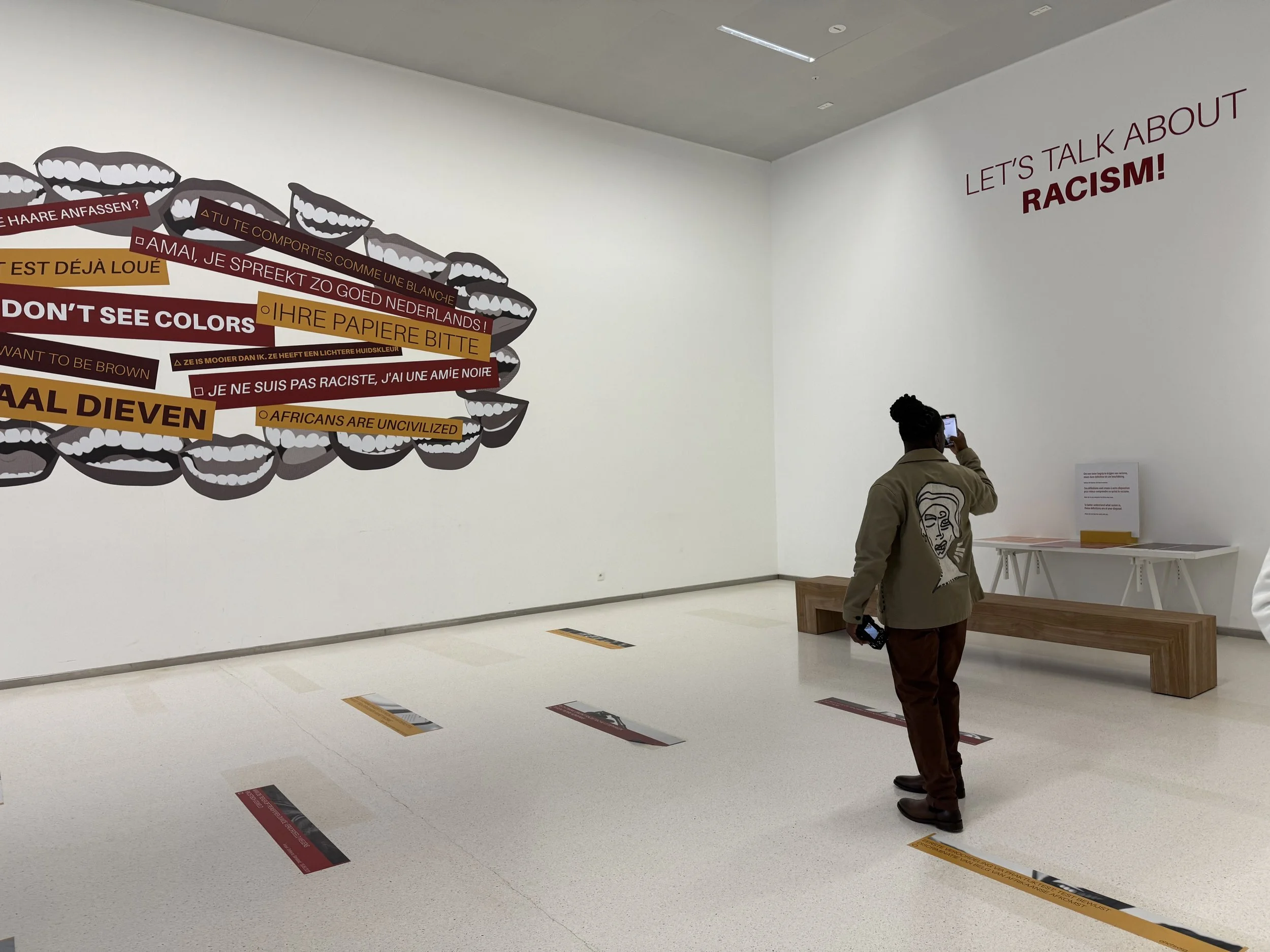
Inside the Africa Museum in Belgium.
Our tour guide there was white, and to his credit, he was upfront about the limits of his own knowledge. He didn't perform certainty he didn't have. But even his honesty revealed something: the museum's official narrative, as presented, claimed only four enslaved Congolese people had ever been brought to Leopold's human zoo exhibitions in Belgium. Four.
The actual number was in the hundreds.
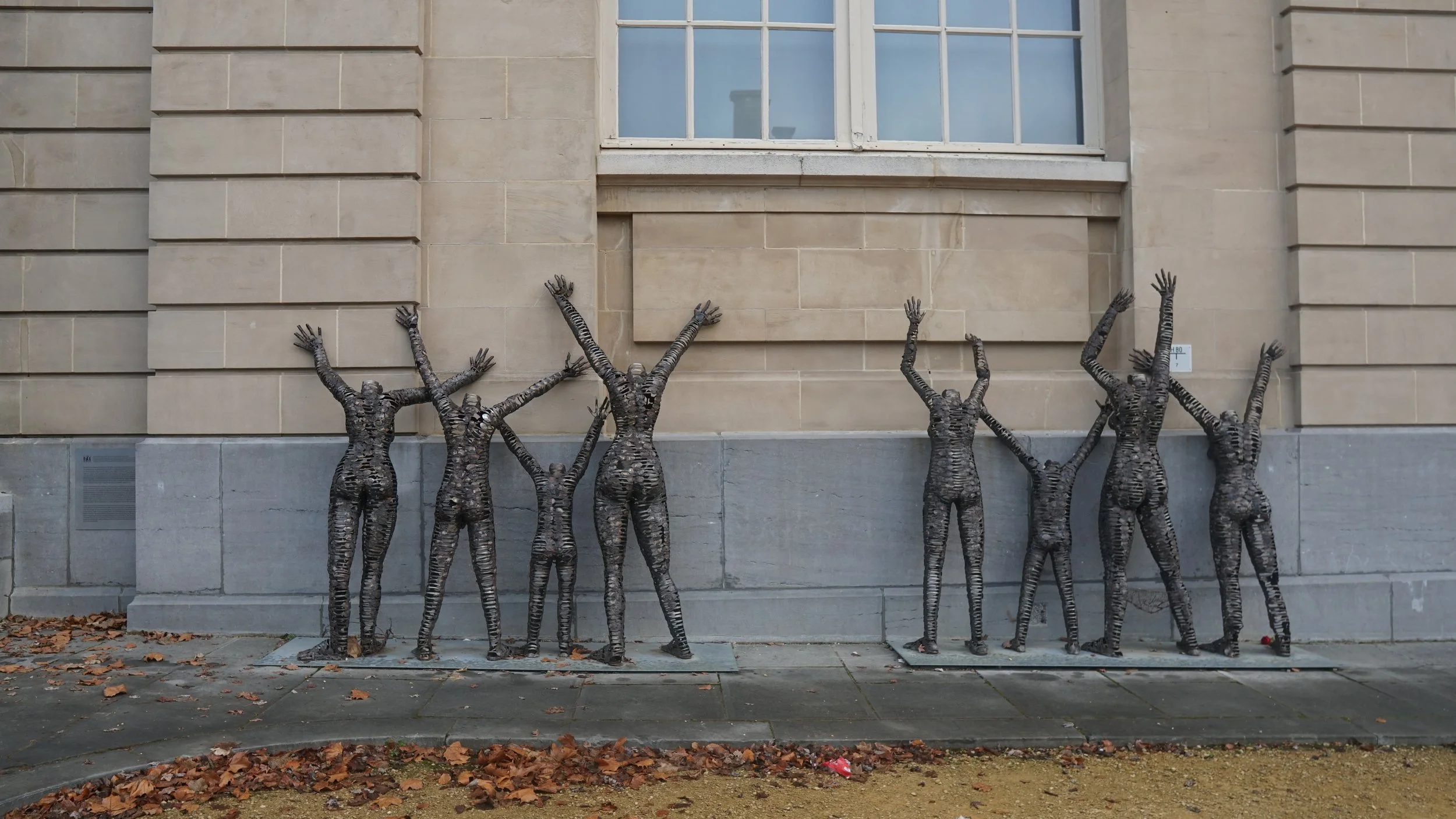
A depiction of King Leopold's human zoo, on display at the Africa Museum.
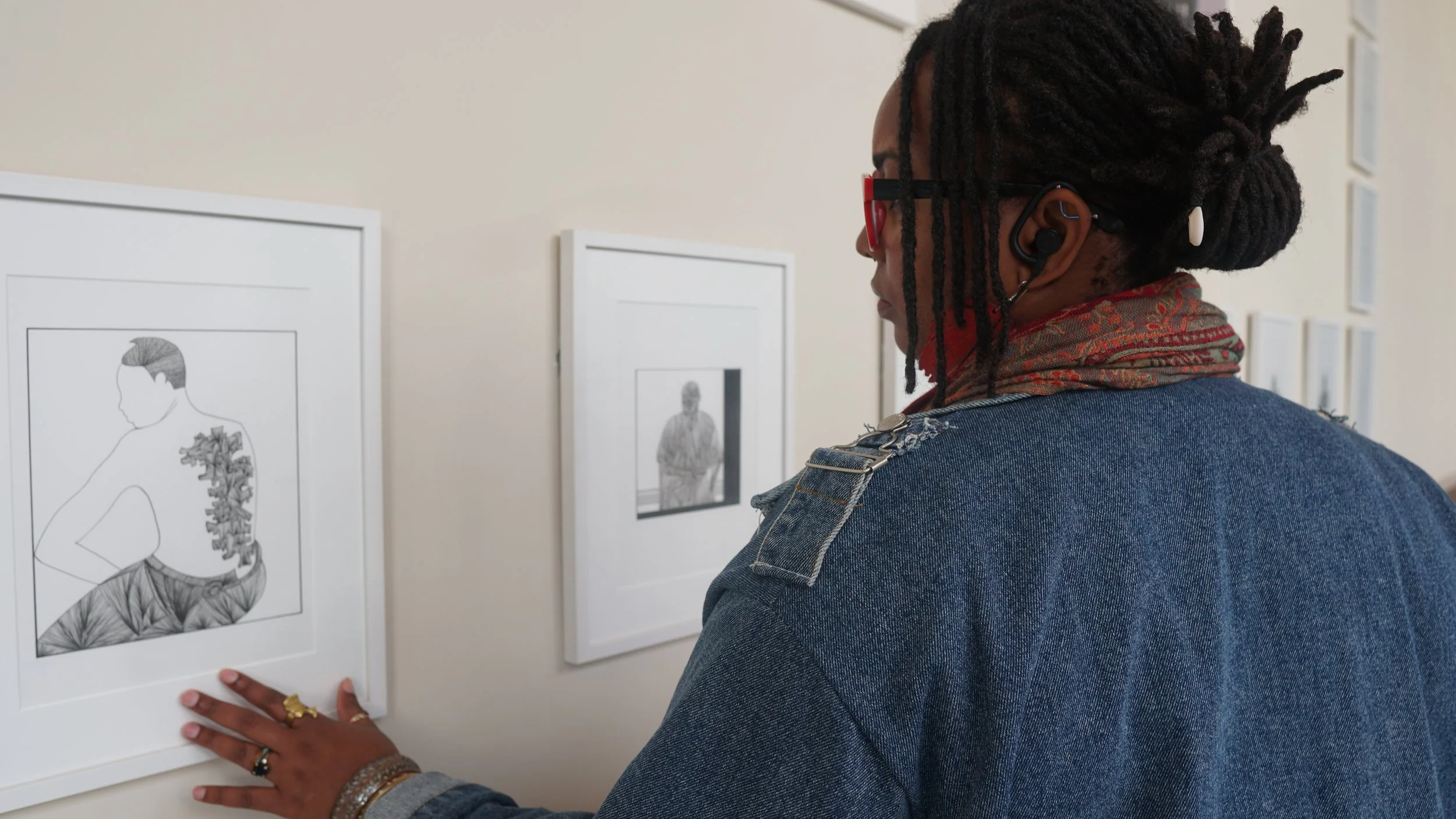
I don't think our guide was lying to us on purpose. I think he was reciting what he'd been told, the same way the guide in Bonaire was reciting what she'd been told. But whether the miseducation comes from malice or inherited ignorance, the effect on the listener is the same: a white European tourist walks out of that museum with a wildly undercounted, sanitized version of one of the most violent colonial projects in modern history, and they carry that version home as fact.
WHAT THIS ACTUALLY COST US
Belgium is praised for its beauty. The Netherlands is praised for its beauty. Bonaire's blue water ends up on travel blogs and Instagram grids constantly, mine included. But that beauty the architecture, the economy, the leisure infrastructure that makes these places so pleasant to visit — was built on the backs of colonized and enslaved people, most visibly in places like the Congo and Bonaire, and that fact rarely makes it into the tour.
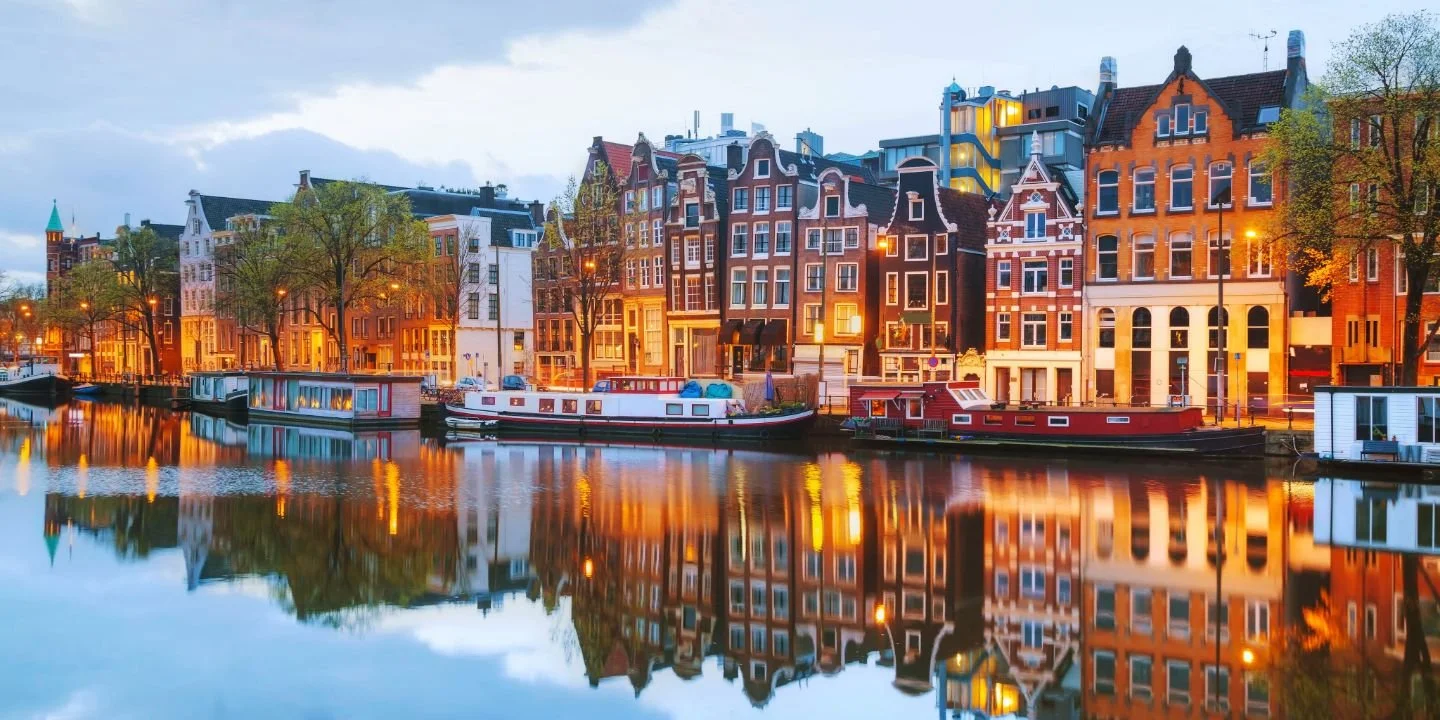
A view of the Netherlands.
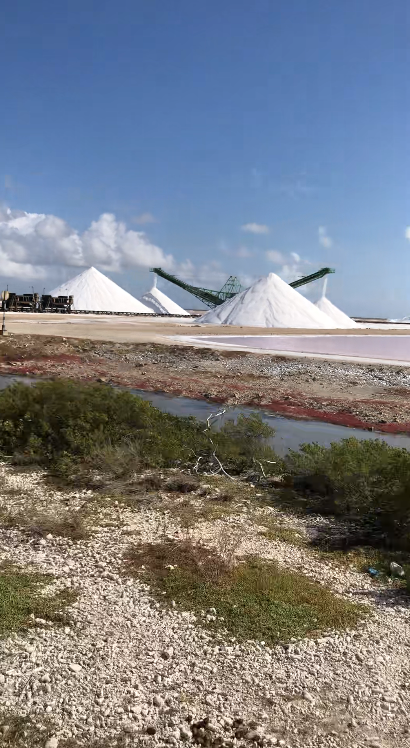
Salt still being extracted from Bonaire today — mounds of salt, machinery, cranes, and the pink water, all evidence the industry continues under Dutch oversight.
This isn't unique to these two stops on my trip. Amsterdam alone has more than 100 documented locations tied to the Dutch East India Company, the West India Company, and centuries of transatlantic slavery — a fact that gets a fraction of the airtime that the city's canals and cafés receive. And even when slavery is acknowledged on a tour, enslaved people are frequently framed as passive: victims who simply endured, rather than people who resisted, organized, and fought back, from Suriname to the Caribbean, constantly.
The pattern holds elsewhere too, in the opposite direction. In Colombia, I watched a Black tour guide ask her group what they knew about the country before arriving. Someone, predictably, said"cocaine." She didn't flinch. She explained that Colombia doesn't actually have the drug crisis its reputation suggests that the coca leaf has been used medicinally for centuries, that cocaine is cheap and available there precisely because the cartels aren't selling to Colombians, they're selling to the U.S. and Europe. The silence that followed said everything about how differently a story lands depending on who's telling it, and how much of what tourists believe about a place was shaped somewhere else entirely, by someone with no stake in getting it right.
WHO SHOULD TELL THESE STORIES?
This is the question I keep landing on: should white tour guides be the primary narrators of Black and colonized communities' histories? And if they are, what obligation comes with that?
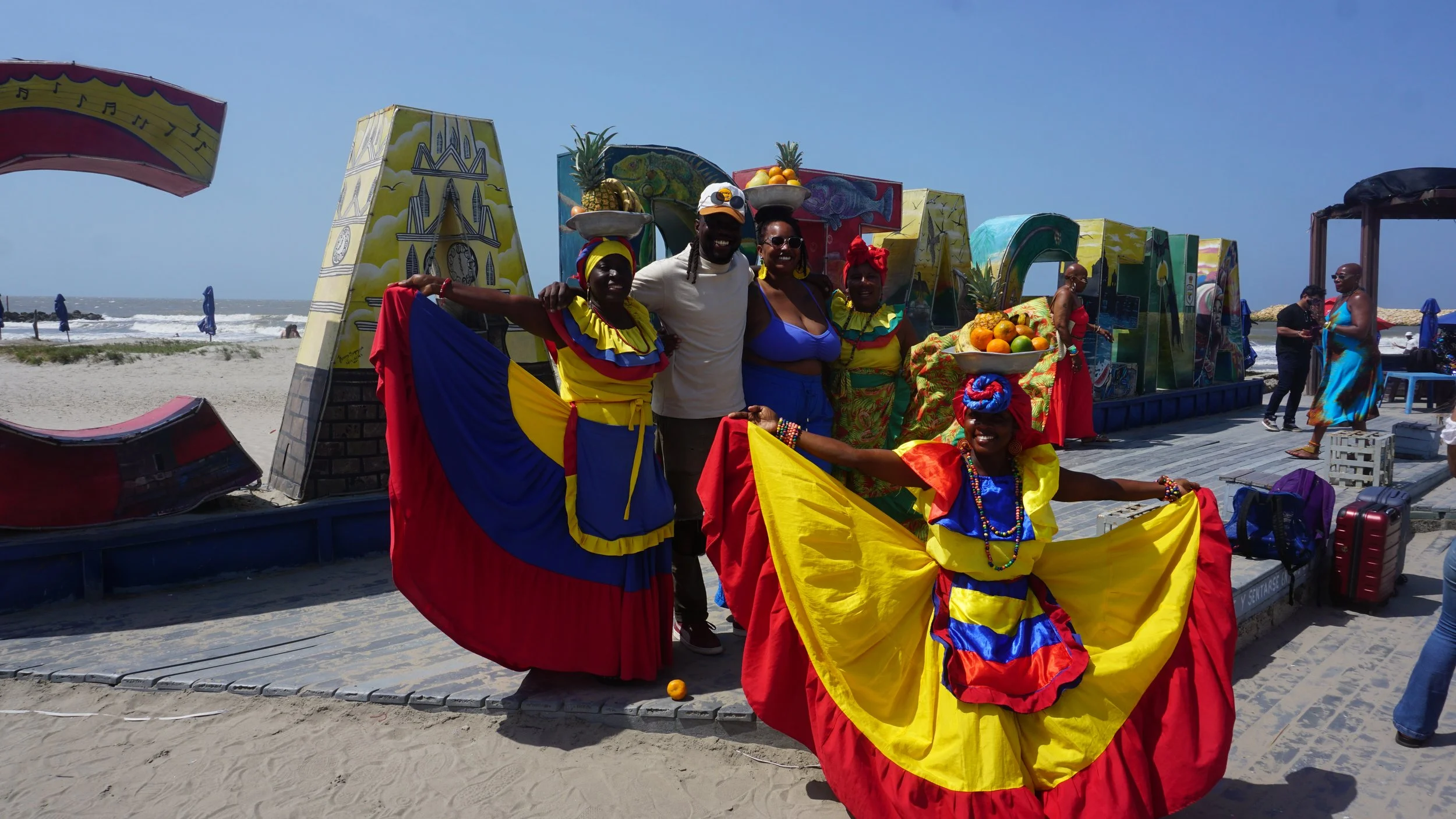
Colombia
I don't think the answer is a flat no. I've had white guides, like the one in Belgium, who were honest about the limits of what they knew, who didn't pretend authority they didn't have. That kind of humility matters. But I've also watched a white guide frame colonizers as benevolent civilizers to a bus full of people who will now repeat that framing as fact, standing in literal view of the huts where enslaved people were held. The difference between those two guides wasn't skin color alone — it was whether they treated the history as something to protect and get right, or something to perform and move past.
There aren't nearly enough Black tour guides relative to white ones at most of these sites, and that imbalance has consequences. It means the dominant version of these stories the one most tourists hear, the one that shapes what they believe when they go home is disproportionately shaped by people with the least personal stake in telling it accurately.
I don't want this to rest only on personal experience, so here's what the data actually shows.
Nationally, the tour and travel guide workforce is overwhelmingly white - the most common race or ethnicity among the roughly 63,000 tour and travel guides working in the U.S. is white, according to Bureau of Labor Statistics-based data. Looking specifically at museum and campus tour guides, roughly two-thirds are white, while Black or African American guides make up just over 6% of the field — and earn the lowest average salary of any racial group in the profession.
That imbalance becomes especially significant at sites where the history being told is Black history. Stephen Small, a professor of African American Studies at UC Berkeley, has spent decades visiting more than 200 plantation museum sites across ten states researching exactly this. His research found these tours consistently privileged the perspective of plantation owners, and that when slavery was addressed at all, it tended to be, in his words, "described in passive, general and abstract ways," with Black people reduced to an undifferentiated, stereotypical presence rather than individuals. There are at least 375 plantations open for public tours across 19 states in the U.S. alone — this isn't a fringe problem, it's the default experience at hundreds of sites where American slavery is the central subject.
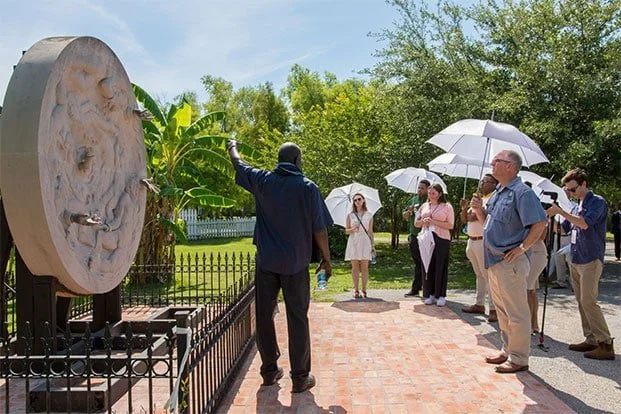
A Black tour guide leading a tour at Whitney Plantation.
It's not universal. Sites like Whitney Plantation in Louisiana and McLeod Plantation in South Carolina have become case studies in doing this differently. McLeod's management specifically hired guides trained to "disrupt romantic notions of the plantation" and engage directly with race and social justice, providing ongoing support for guides doing that difficult work. Researchers found these sites attract a more racially diverse visitorship as a direct result. Guides at McLeod have also reported something worth sitting with: white visitors yelling at them, angry that the tour "attacked their ancestors" - simply for telling the history accurately.
And here's what surprised me most researching this: in most of the United States, there's no license or certification required to become a tour guide at all. Where cities do require licensing — New York, Washington D.C., Williamsburg — the exams test general history, geography, and safety knowledge. None of the certification requirements mandate any specific training on how to accurately and sensitively present the history of slavery or colonialism. Site-specific onboarding varies entirely by employer. Some sites, like McLeod, clearly invest in that training. Many, based on Small's research, simply don't.
So the miseducation I experienced wasn't necessarily one guide's individual failure. It's closer to a structural gap: an industry with very little regulation, minimal racial diversity, and no standardized requirement to get this specific history right, operating at hundreds of sites where getting it right matters enormously.
WHAT I’M ASKING YOU TO DO
I don't have a tidy resolution here, and I'm not sure this story is supposed to have one. But here's where I've landed, at least for now: the next time you're on a tour anywhere that colonialism, slavery, or resource extraction shaped the place you're standing in, pay attention to who's telling you the story, and how. Notice whether resistance gets mentioned, or just suffering. Notice whether the guide says enslaved or slaves, whether they say forced or came. Notice whether the beauty you're being sold gets connected, even briefly, to who paid for it.
And when you have the option, seek out Black guides, Indigenous guides, guides from the community whose history is actually being told. Not because white guides are incapable of doing this responsibly, some clearly can, but right now, too many aren't, and the cost of that gets paid by history itself, one tour group at a time.
The water in Bonaire is pink in one place and blue in another. Both are real. Both are the same story. The question is whether the person holding the microphone is willing to tell you that.